Research & Inquiry: A Doctoral Milestone
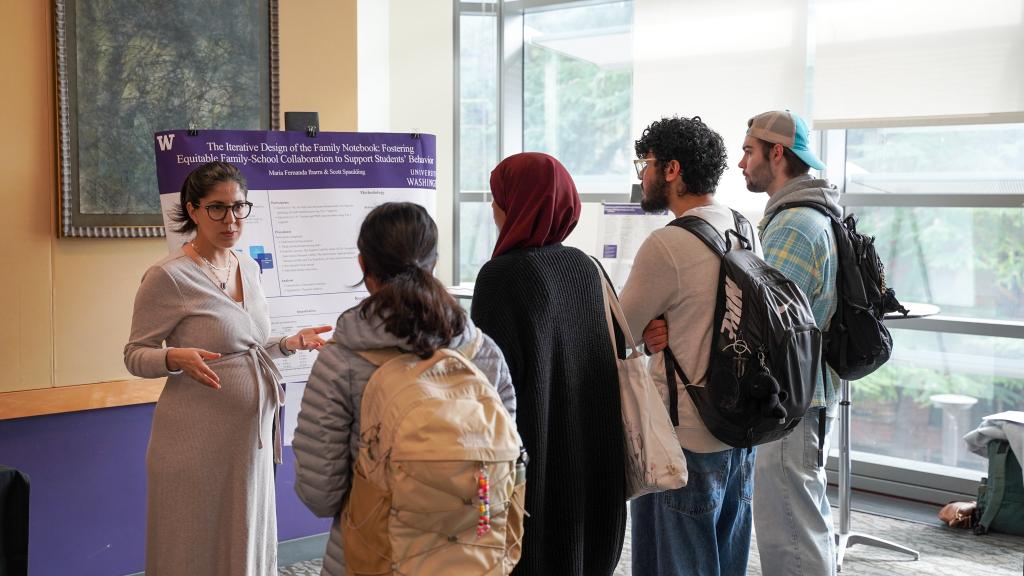
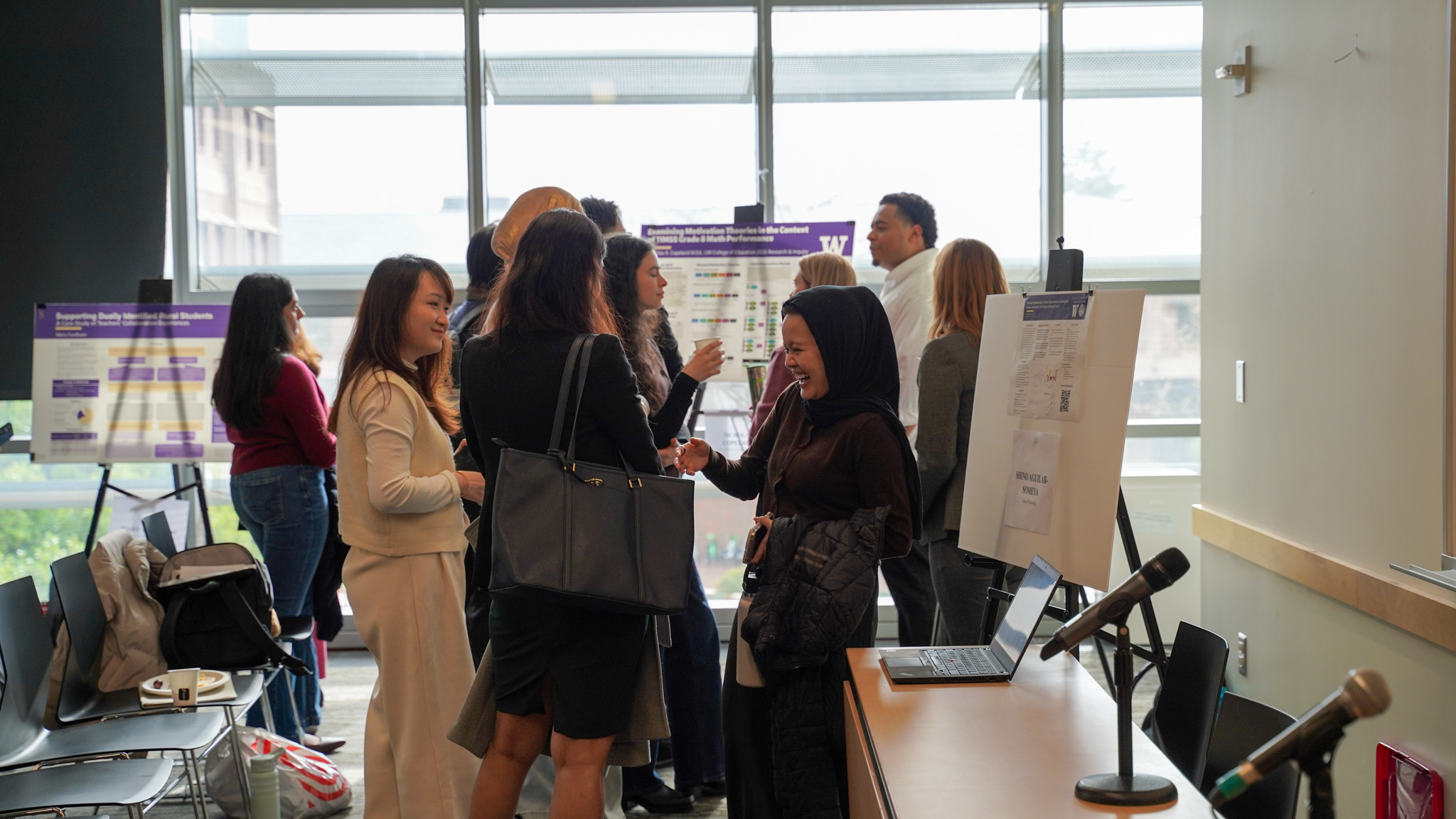
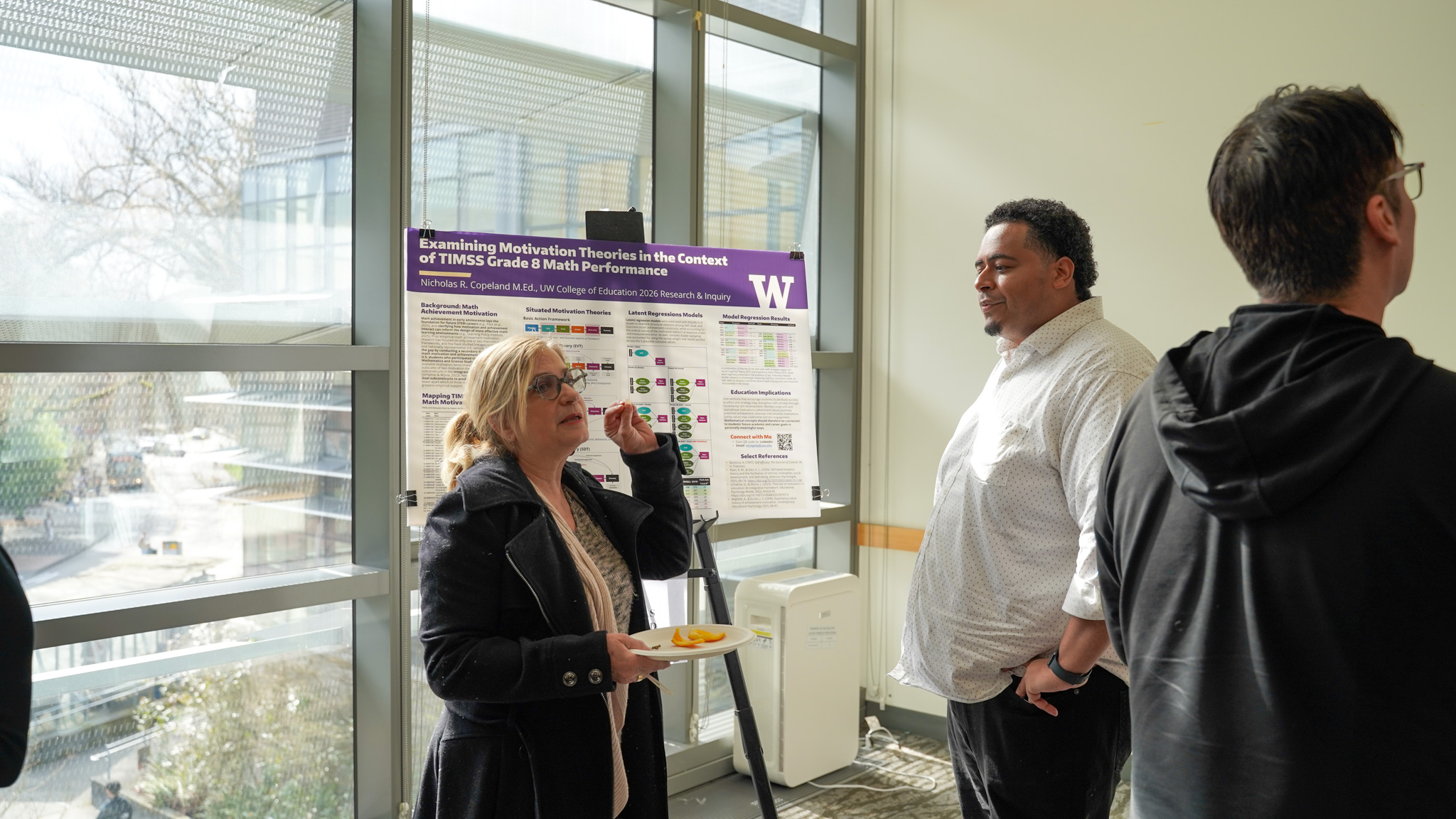
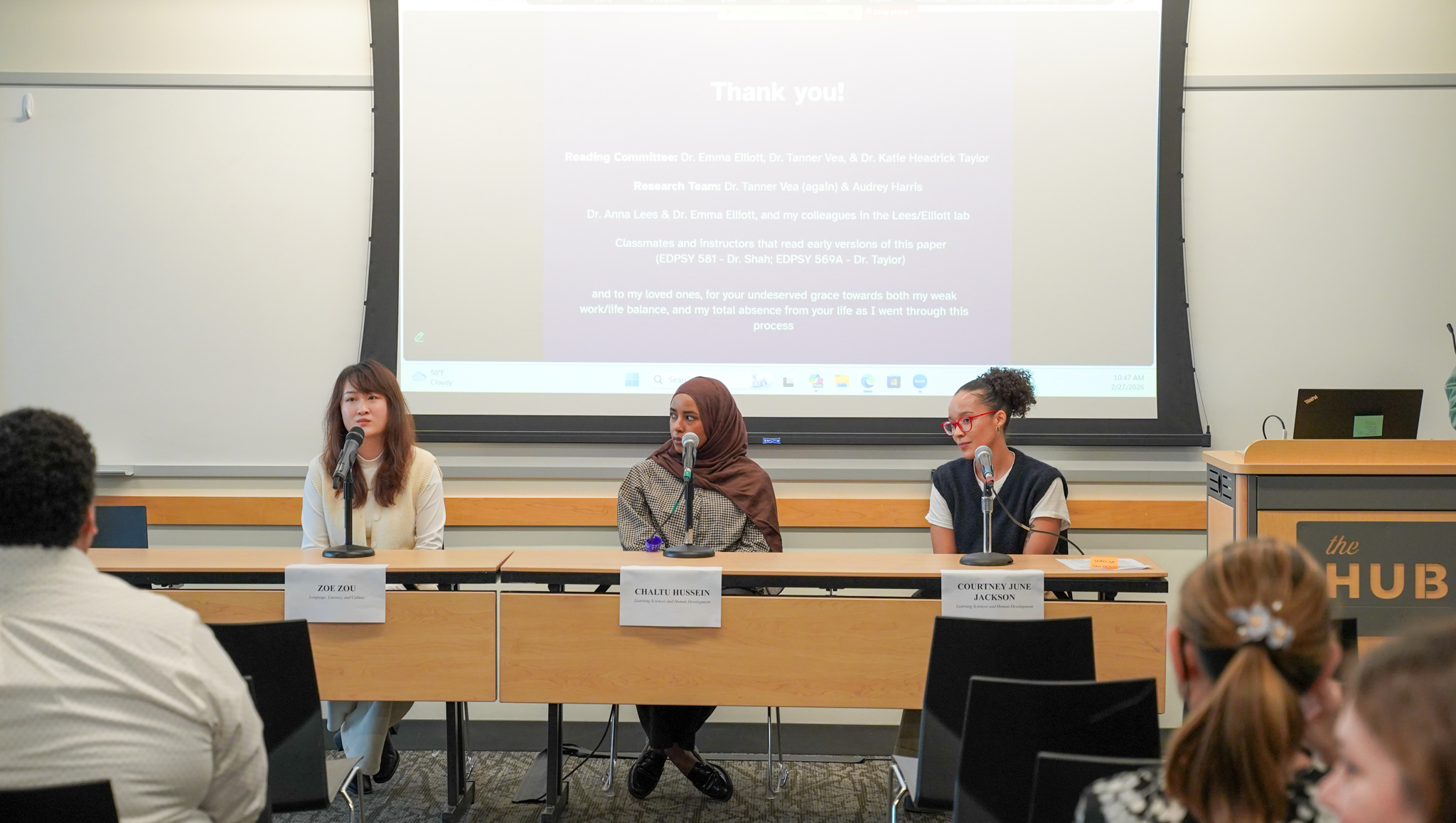
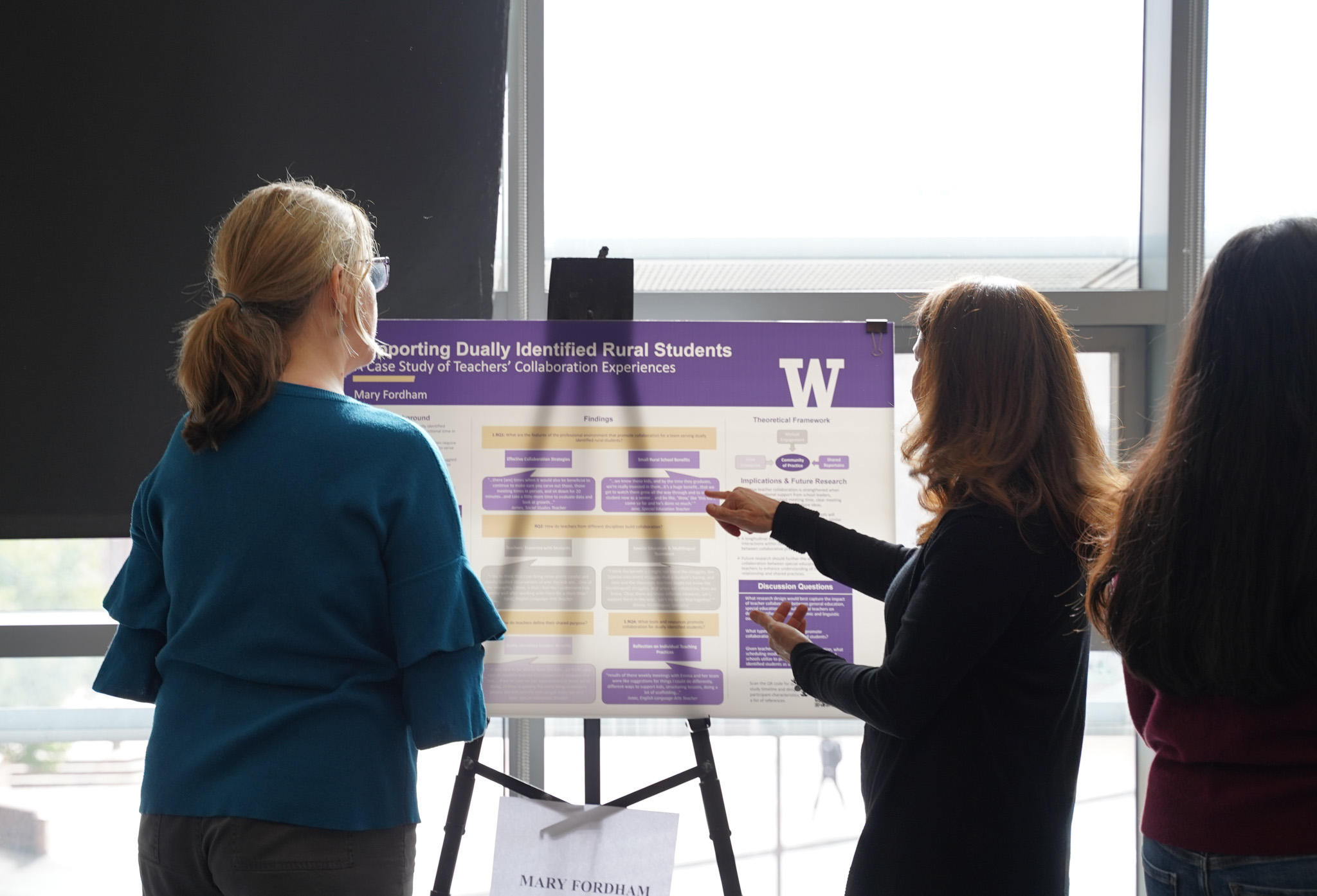
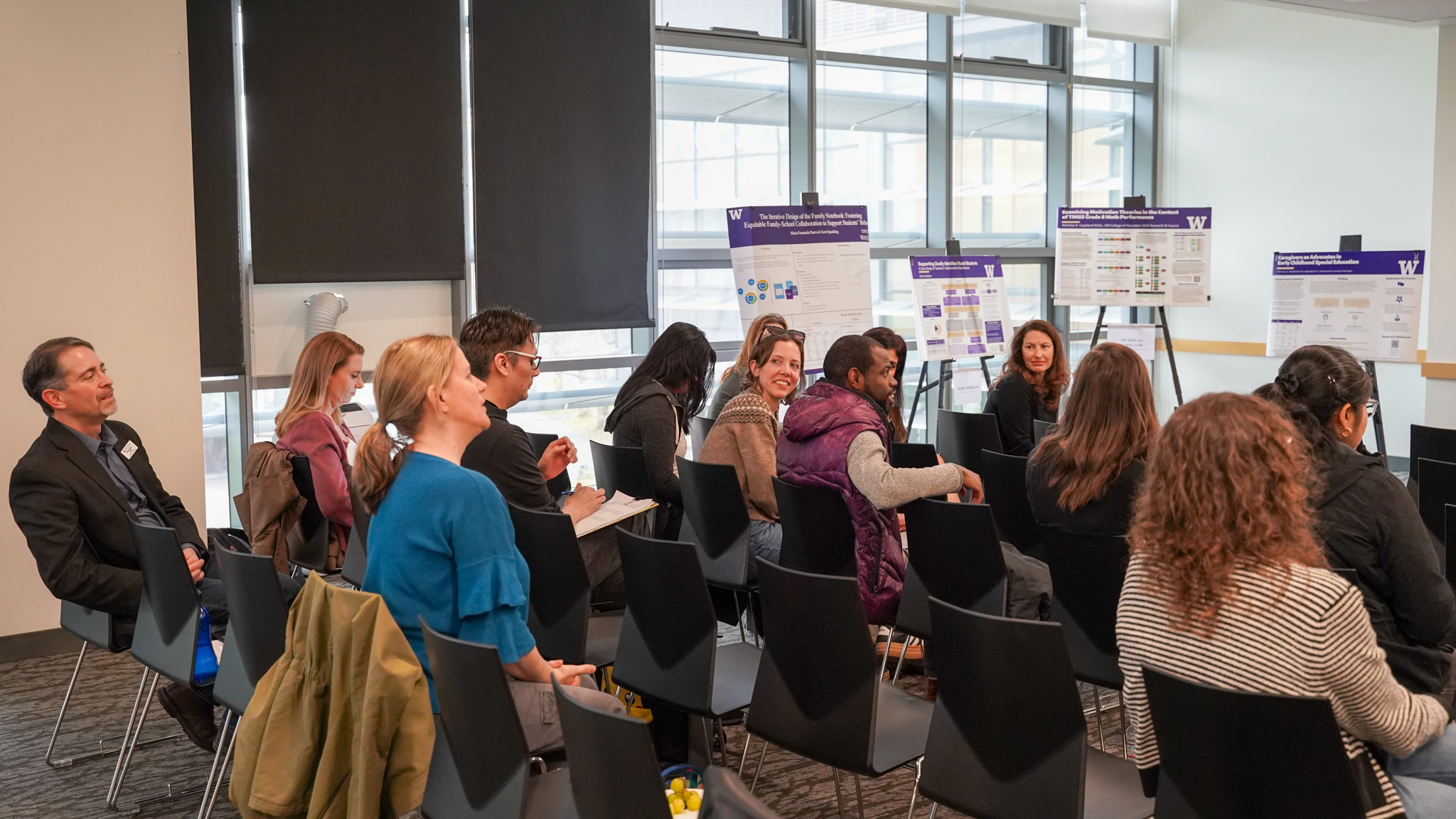
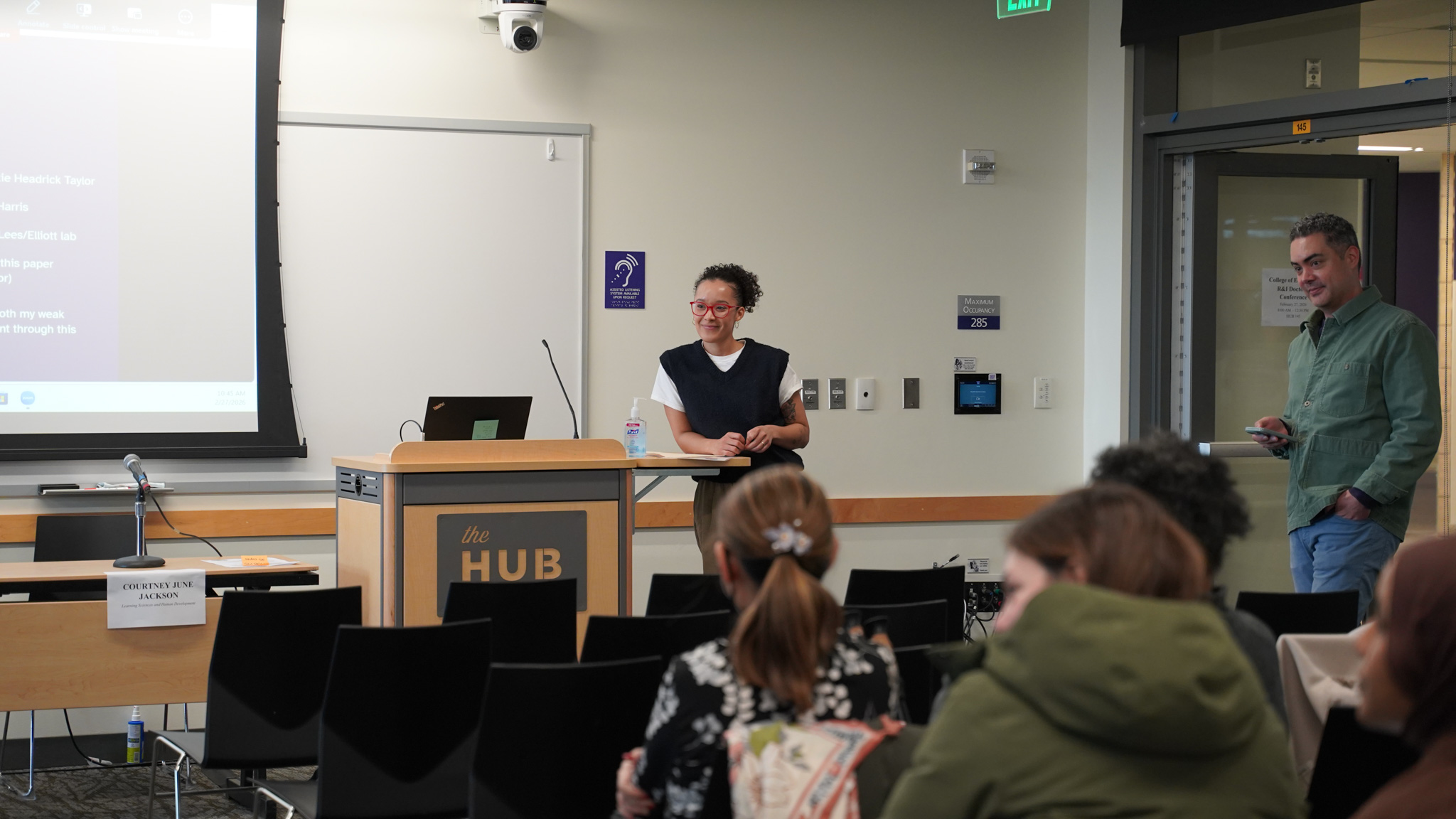
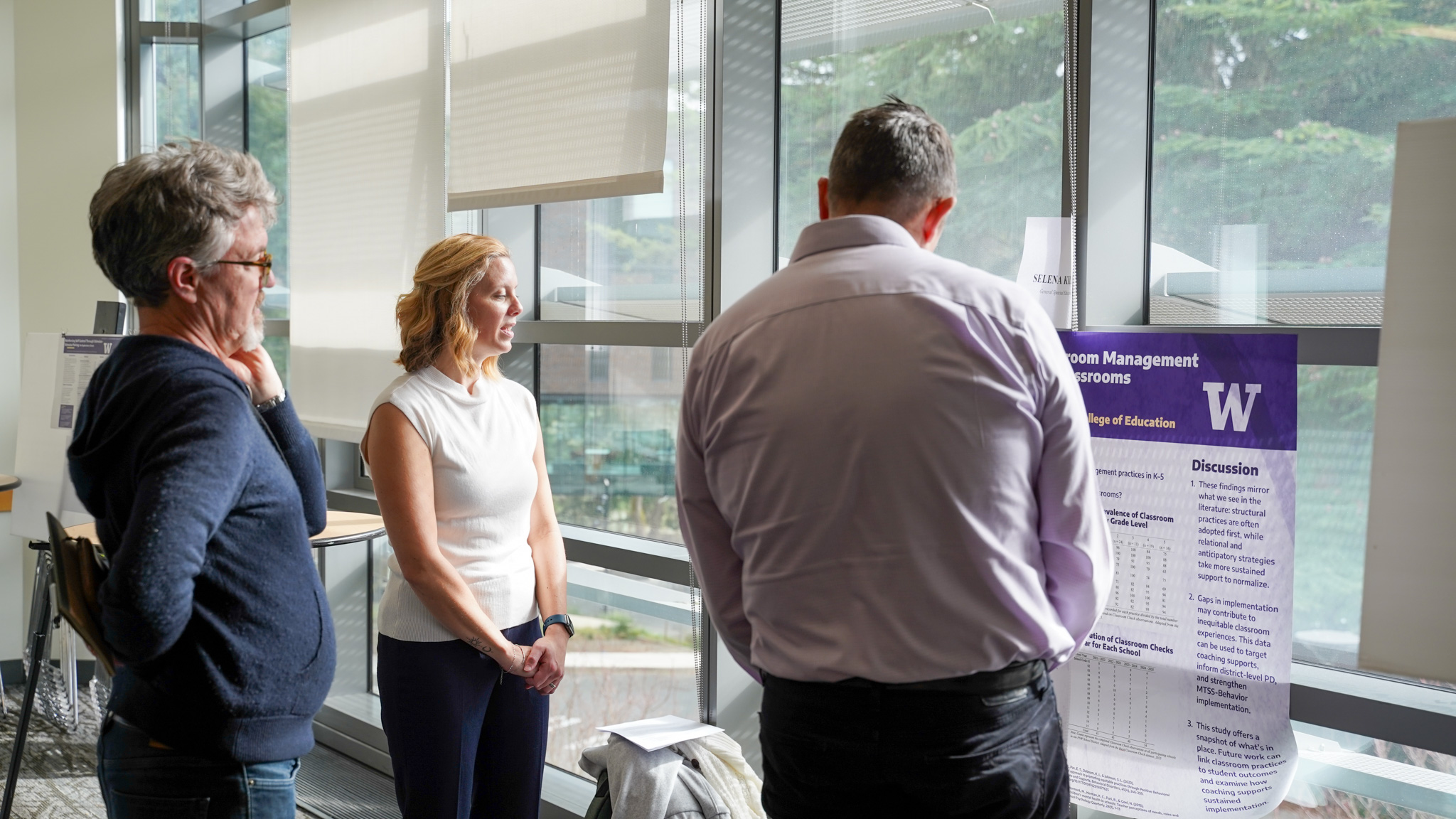
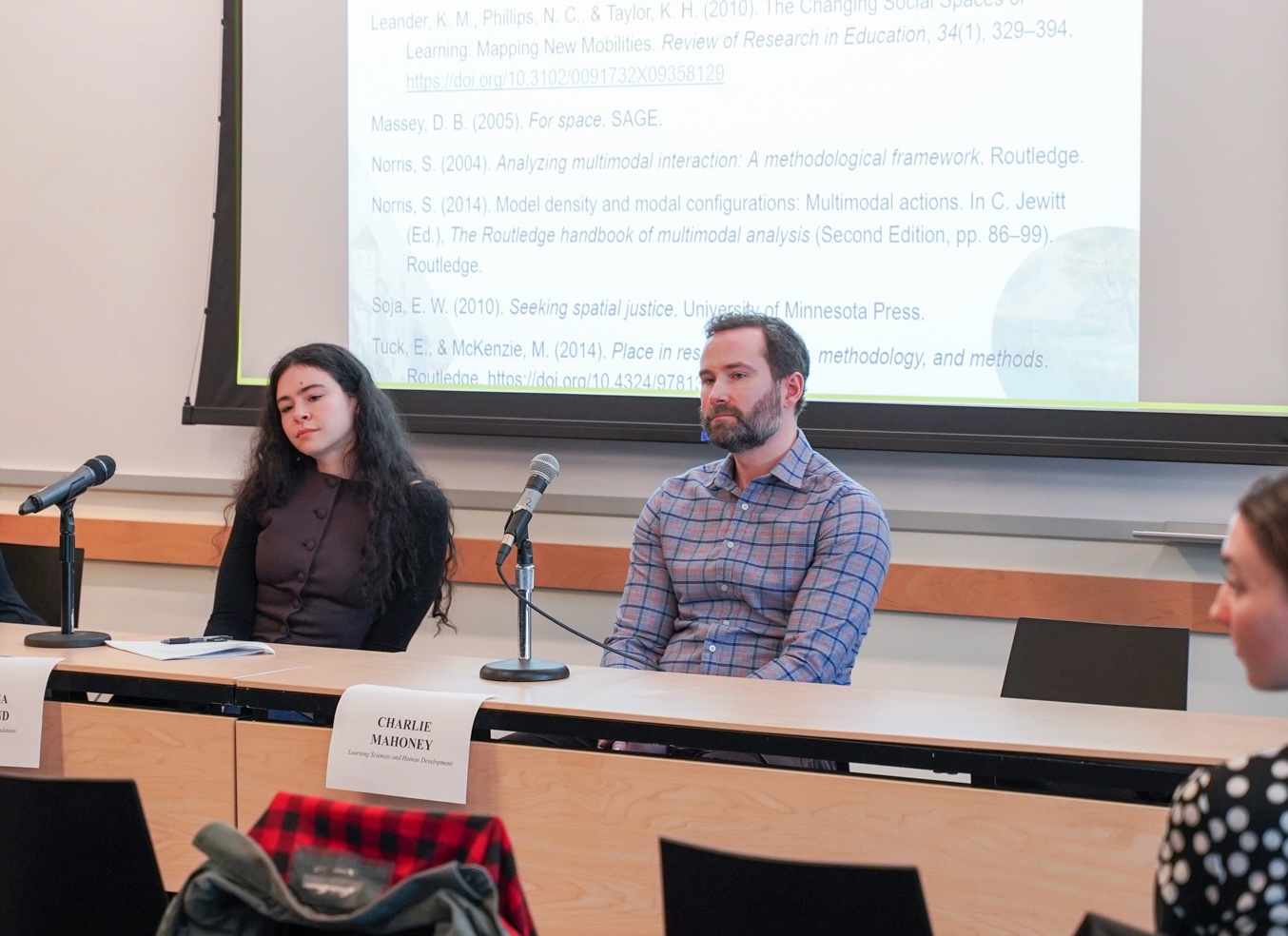
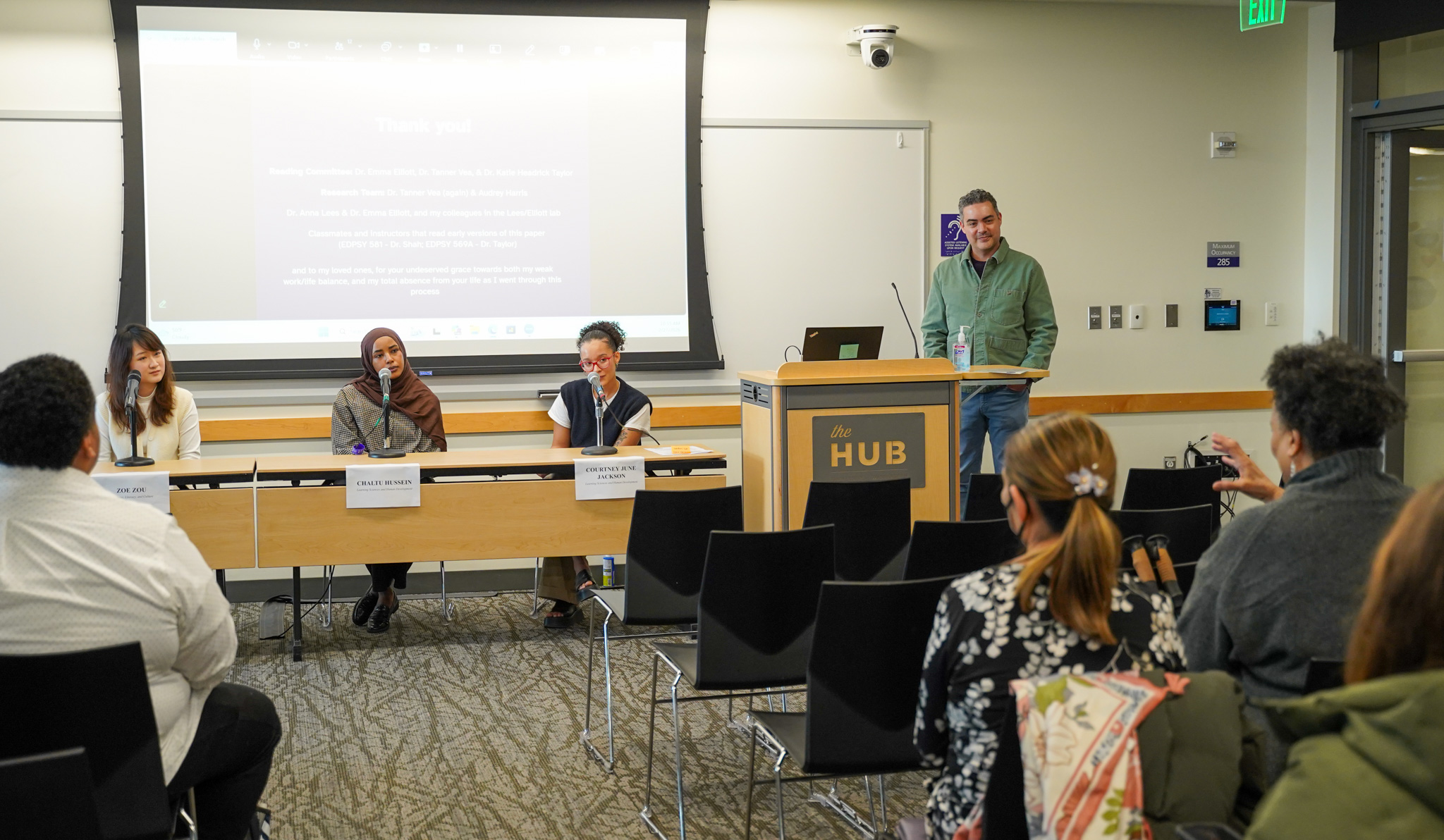
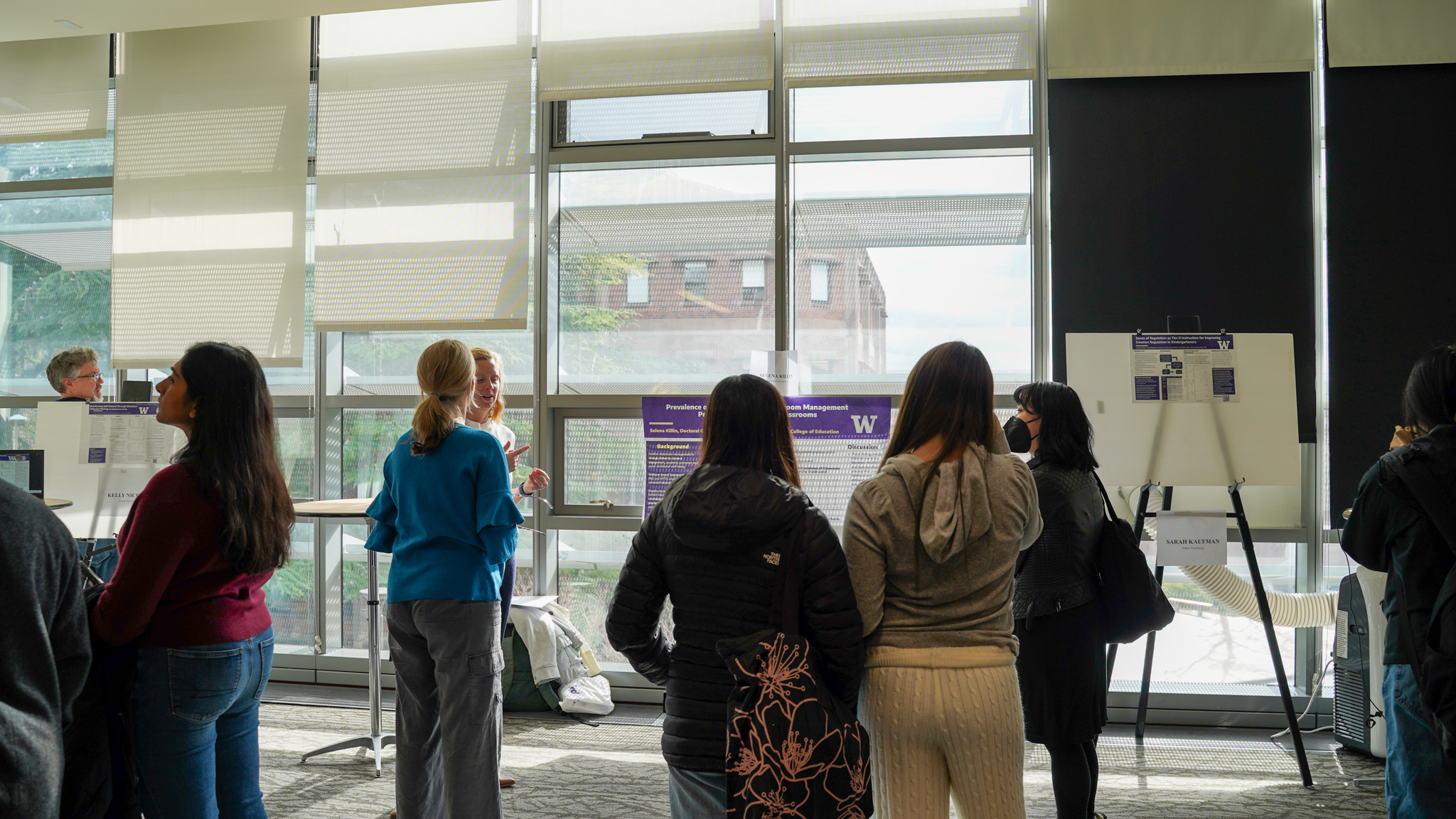
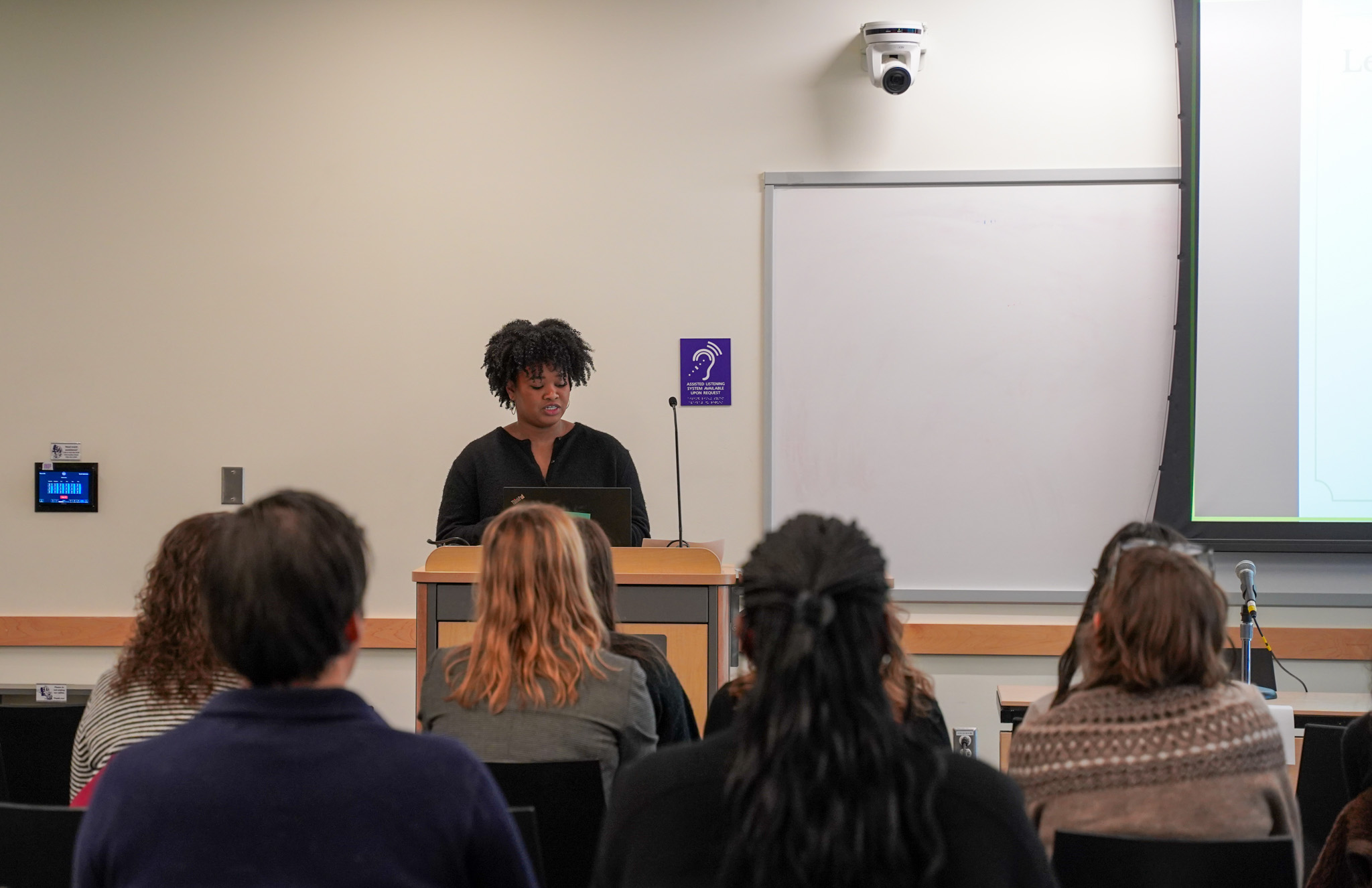
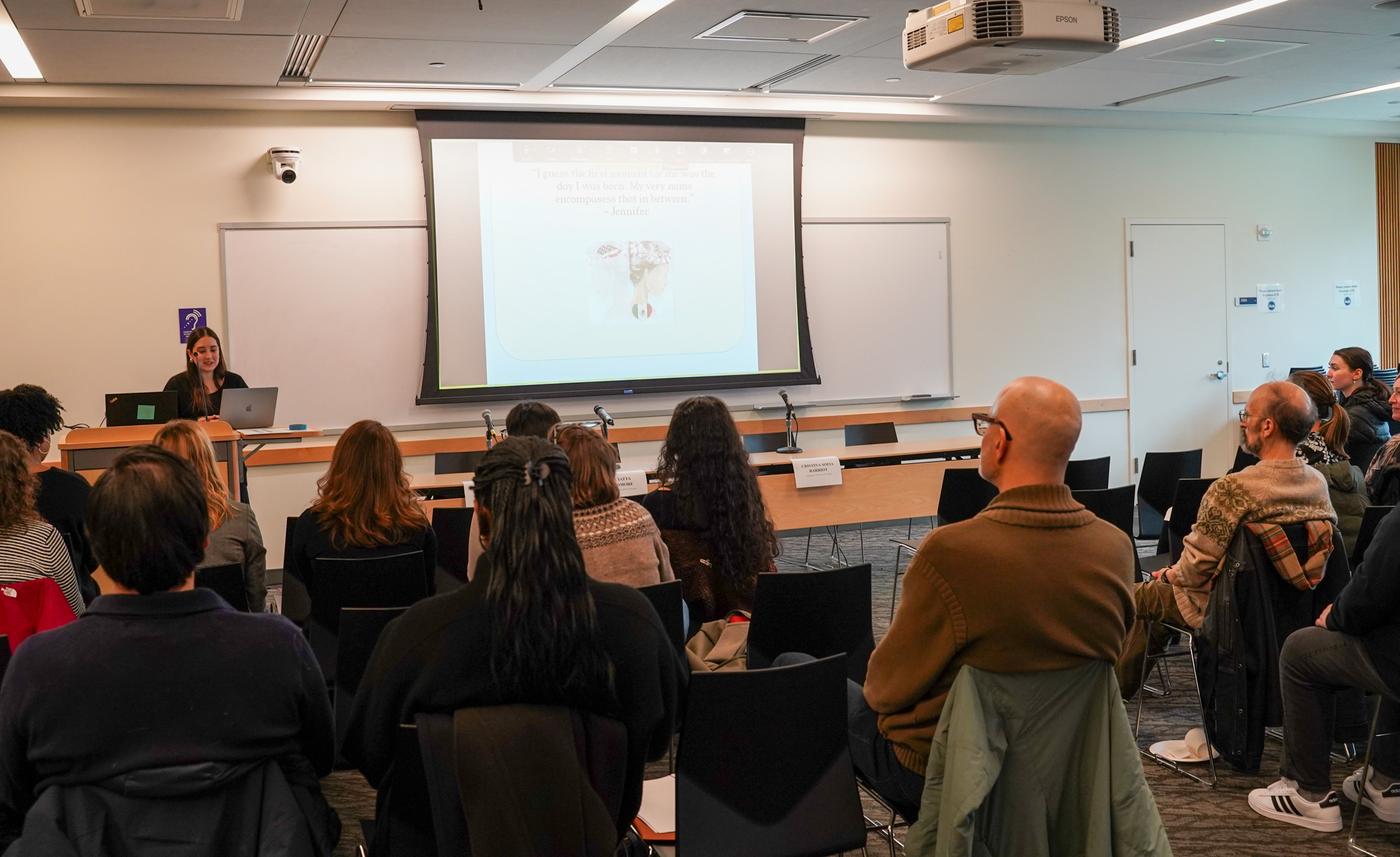
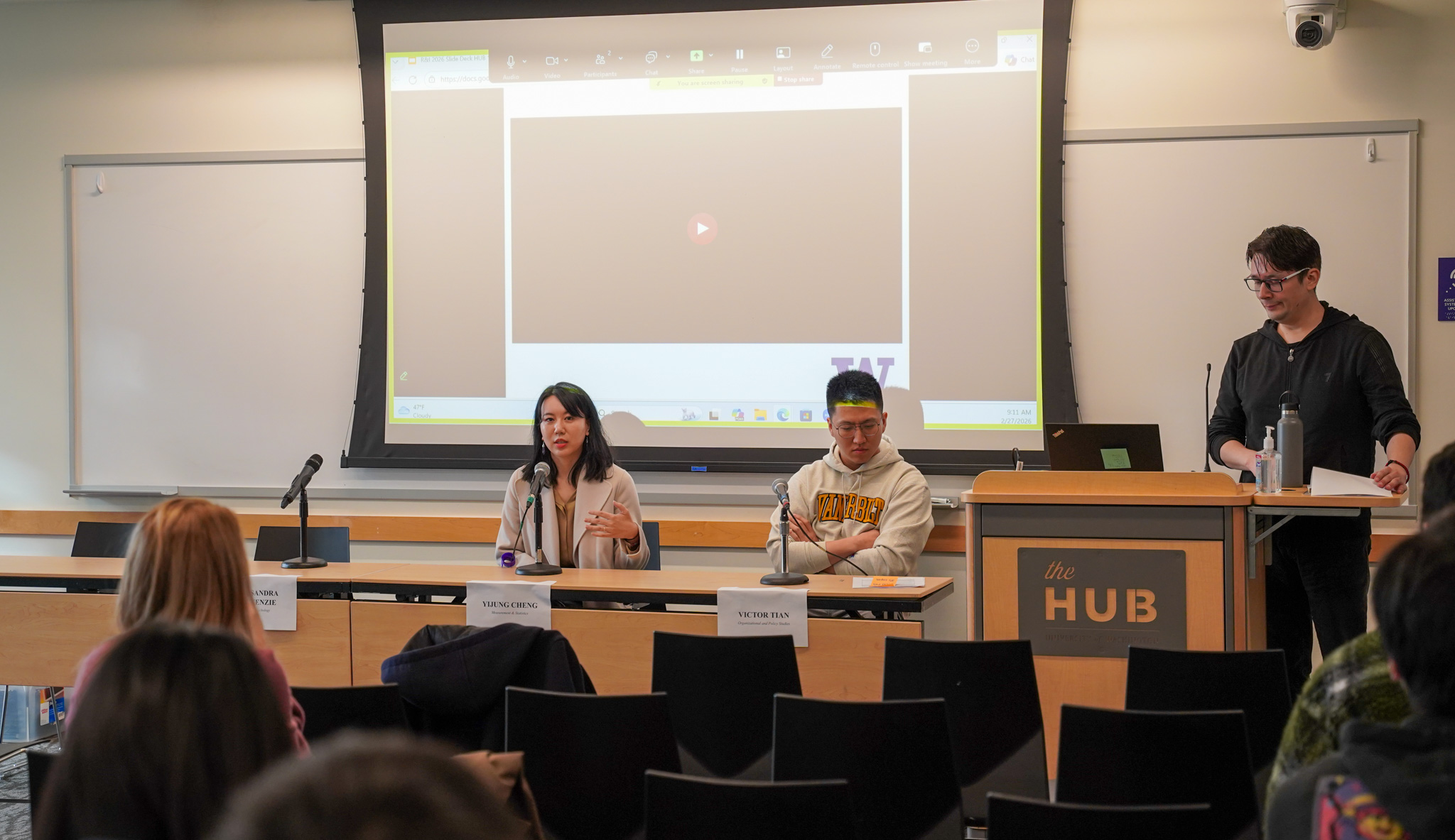
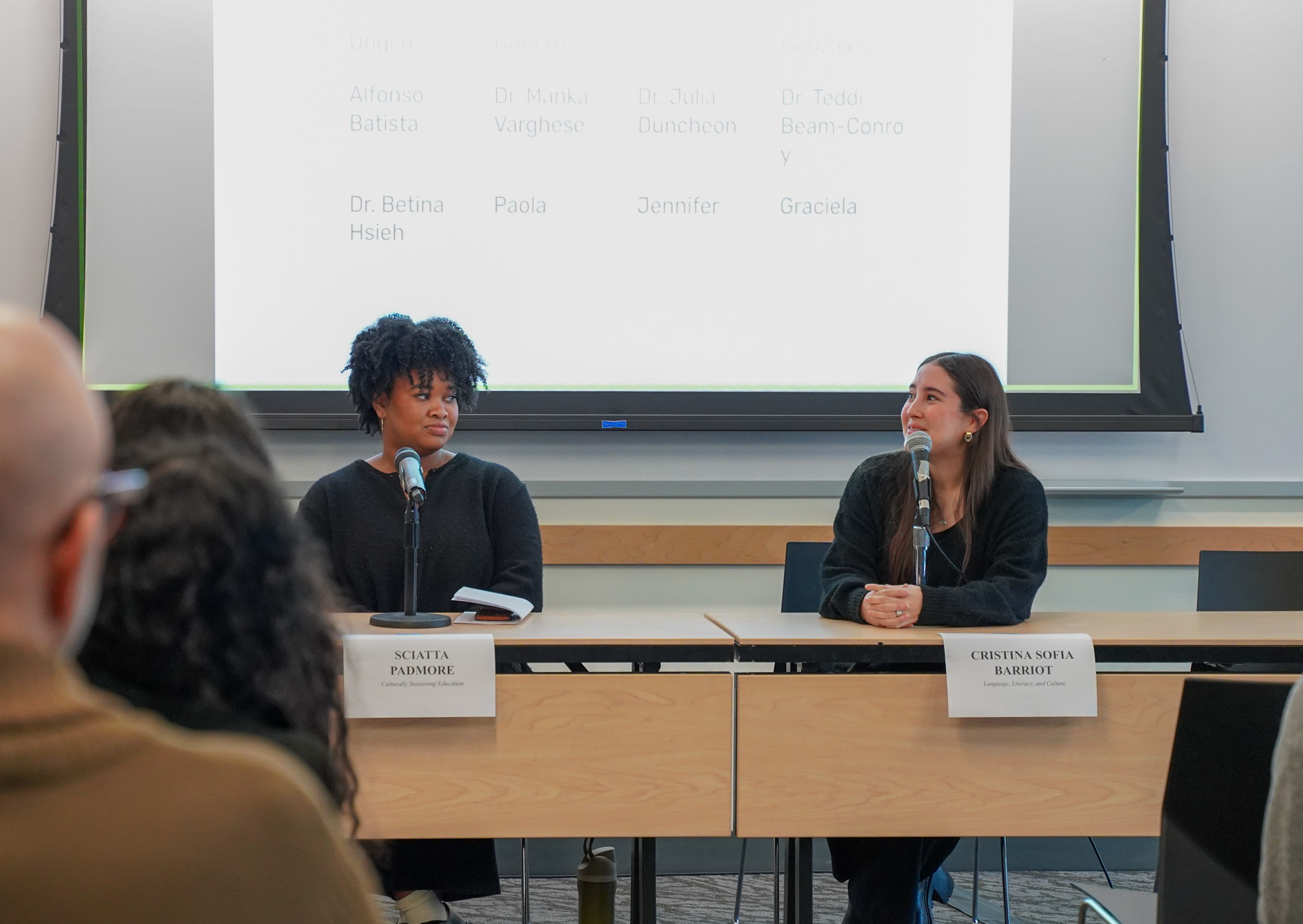
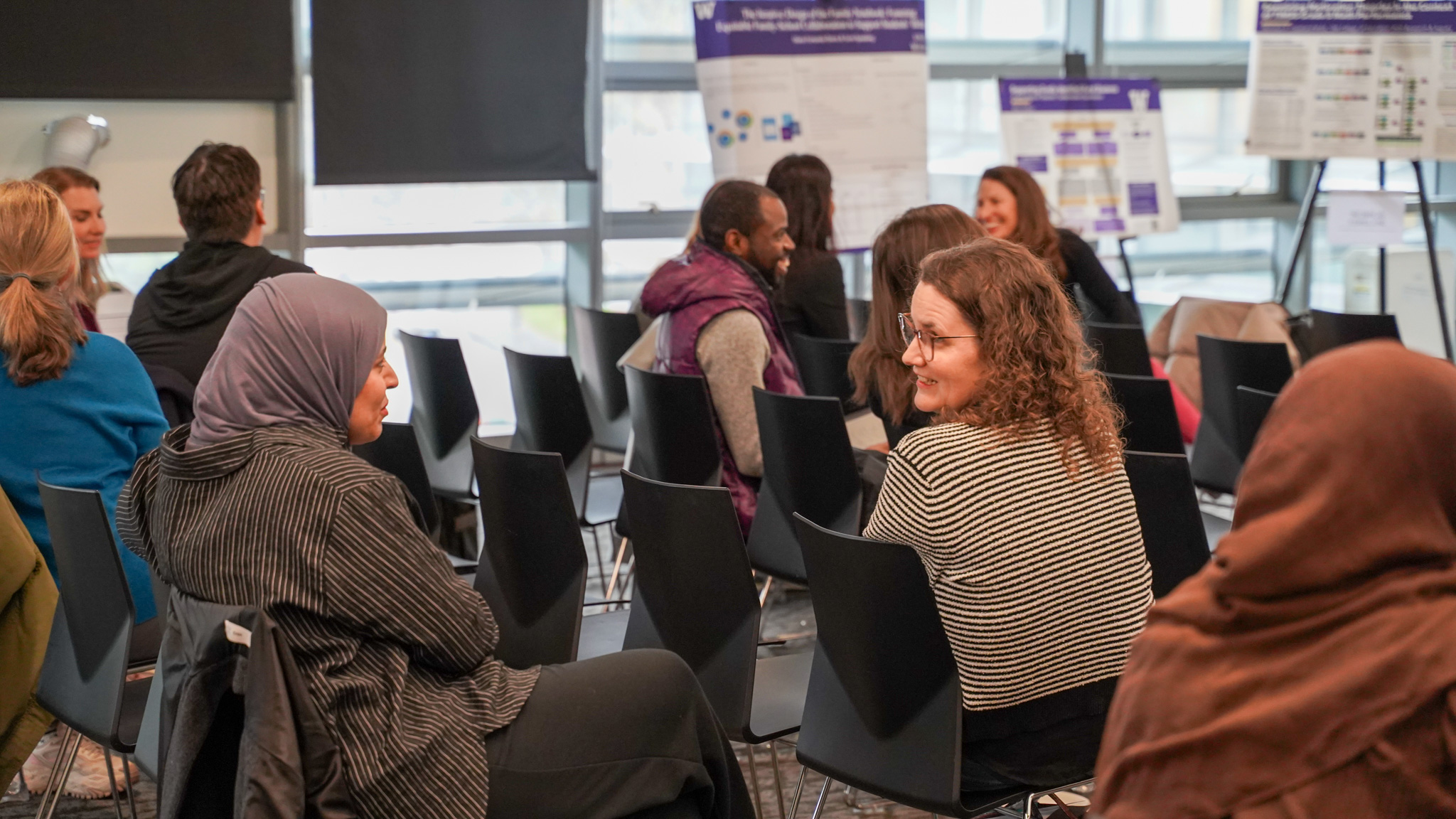
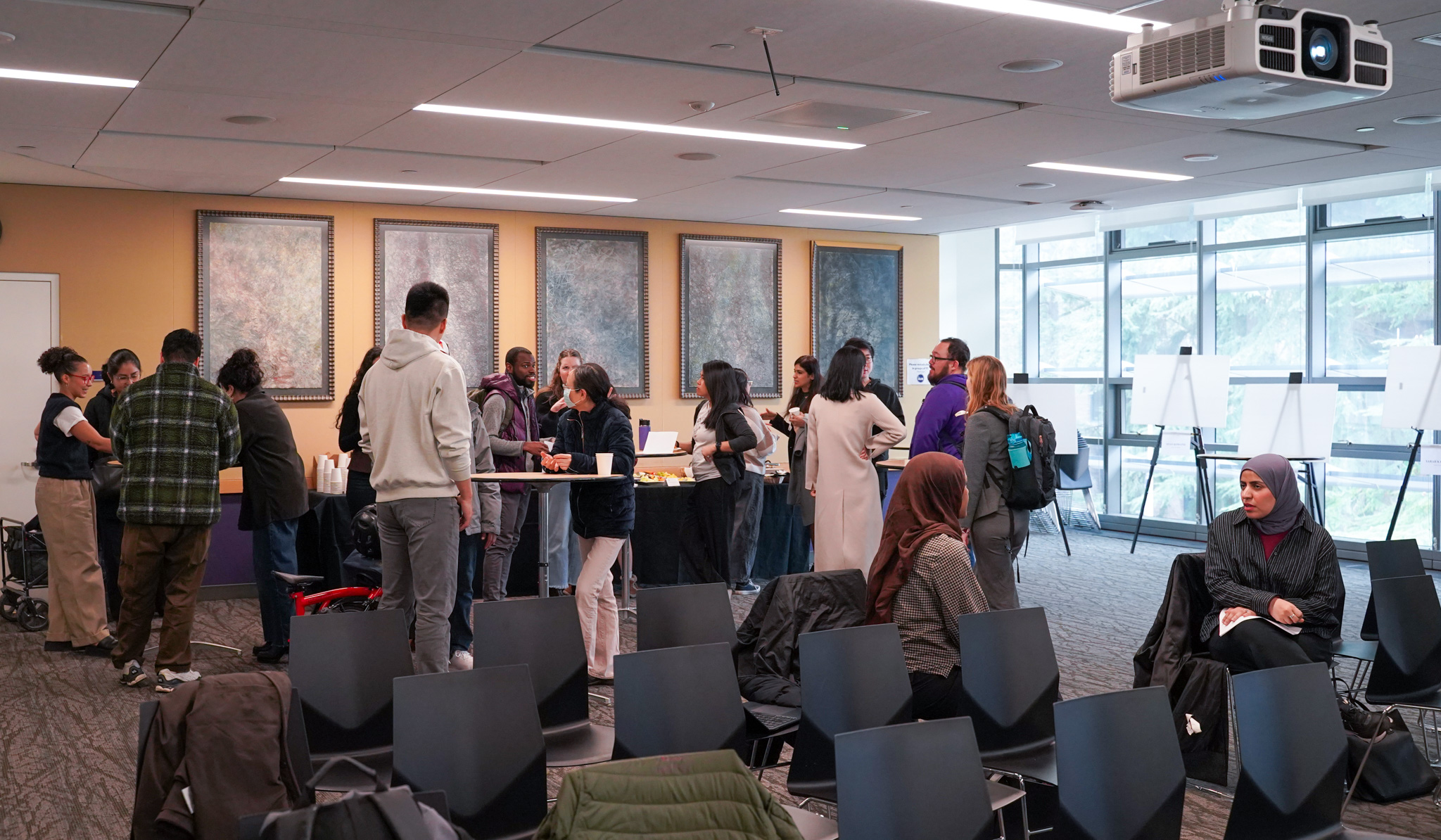
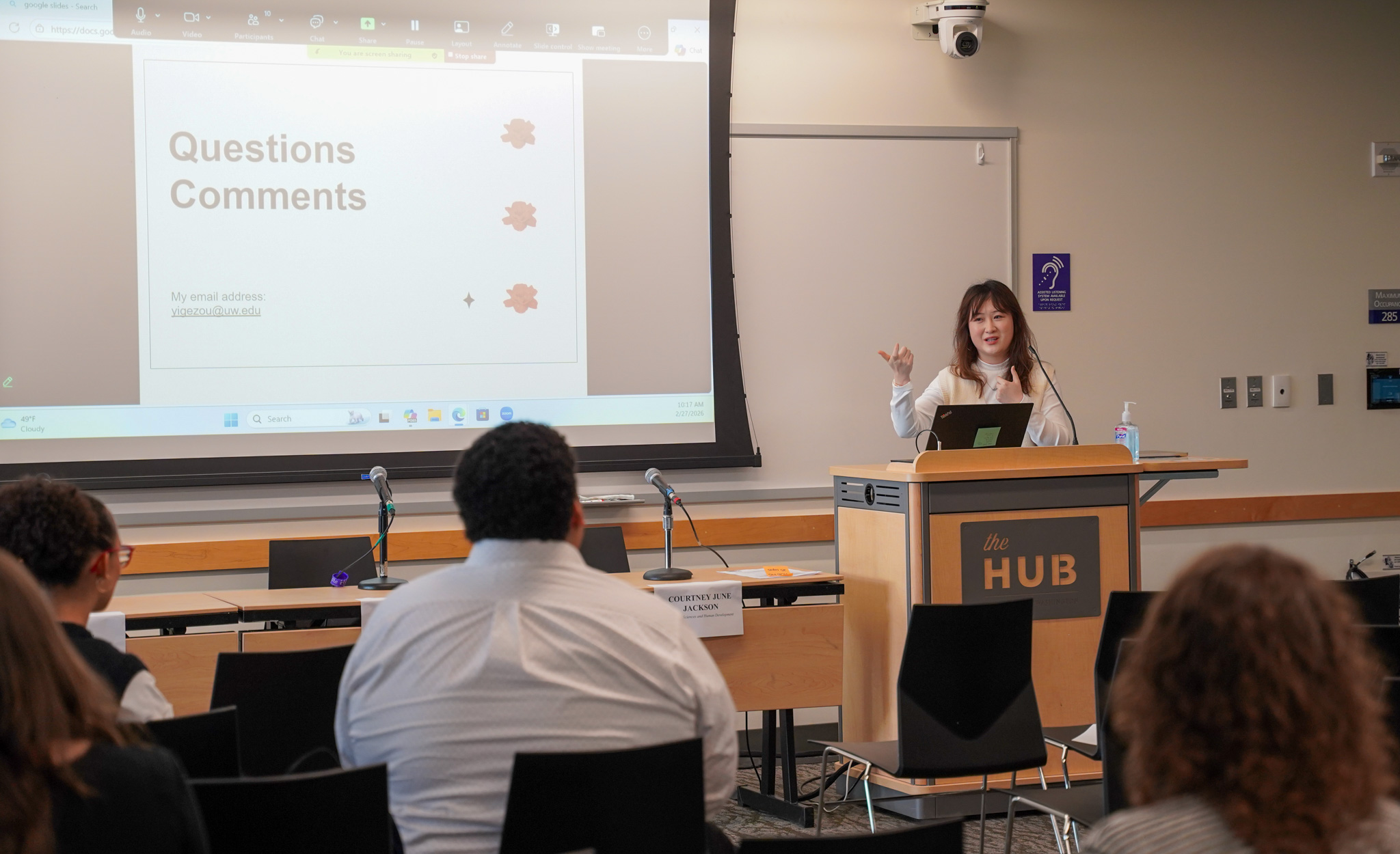
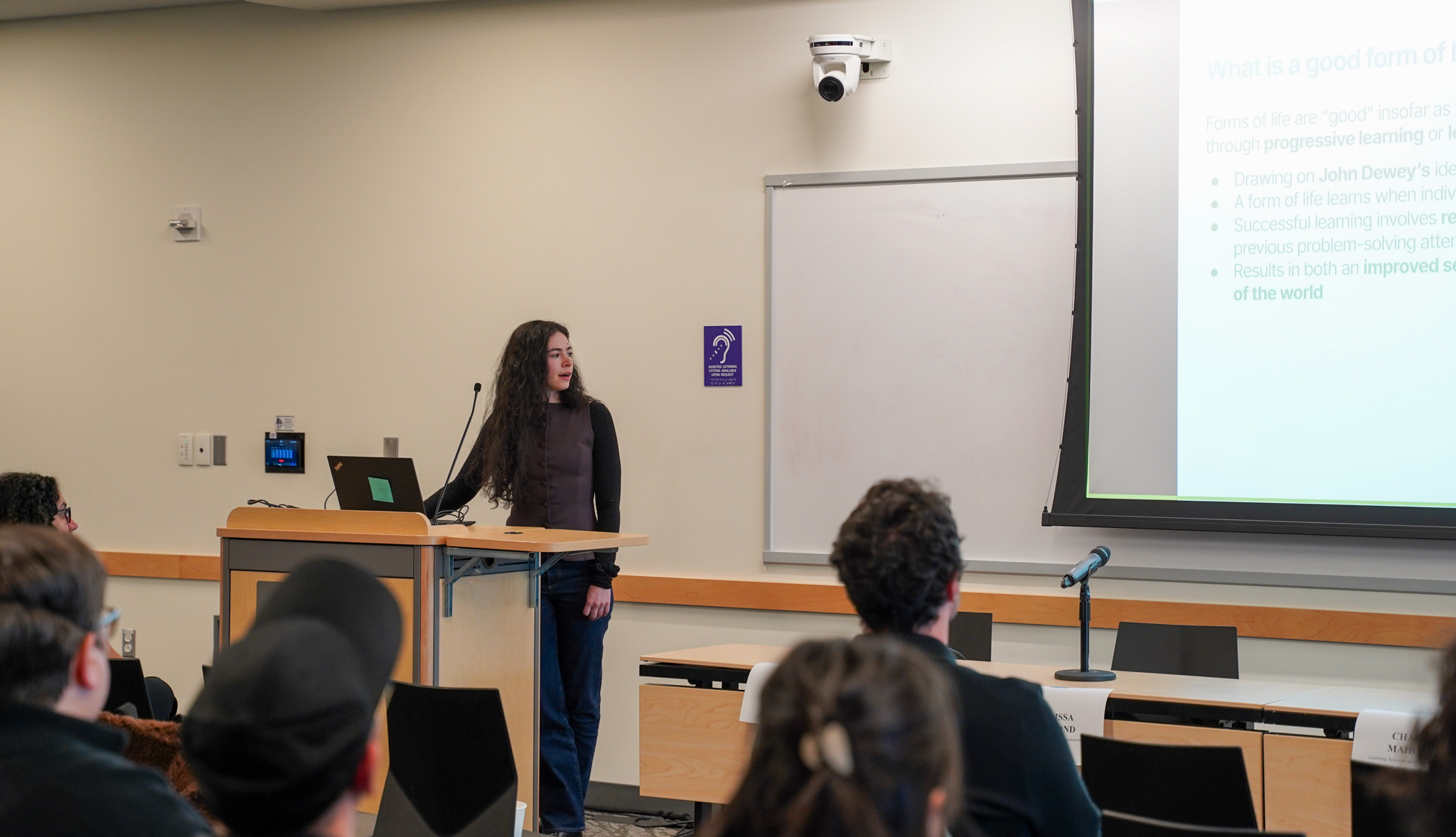
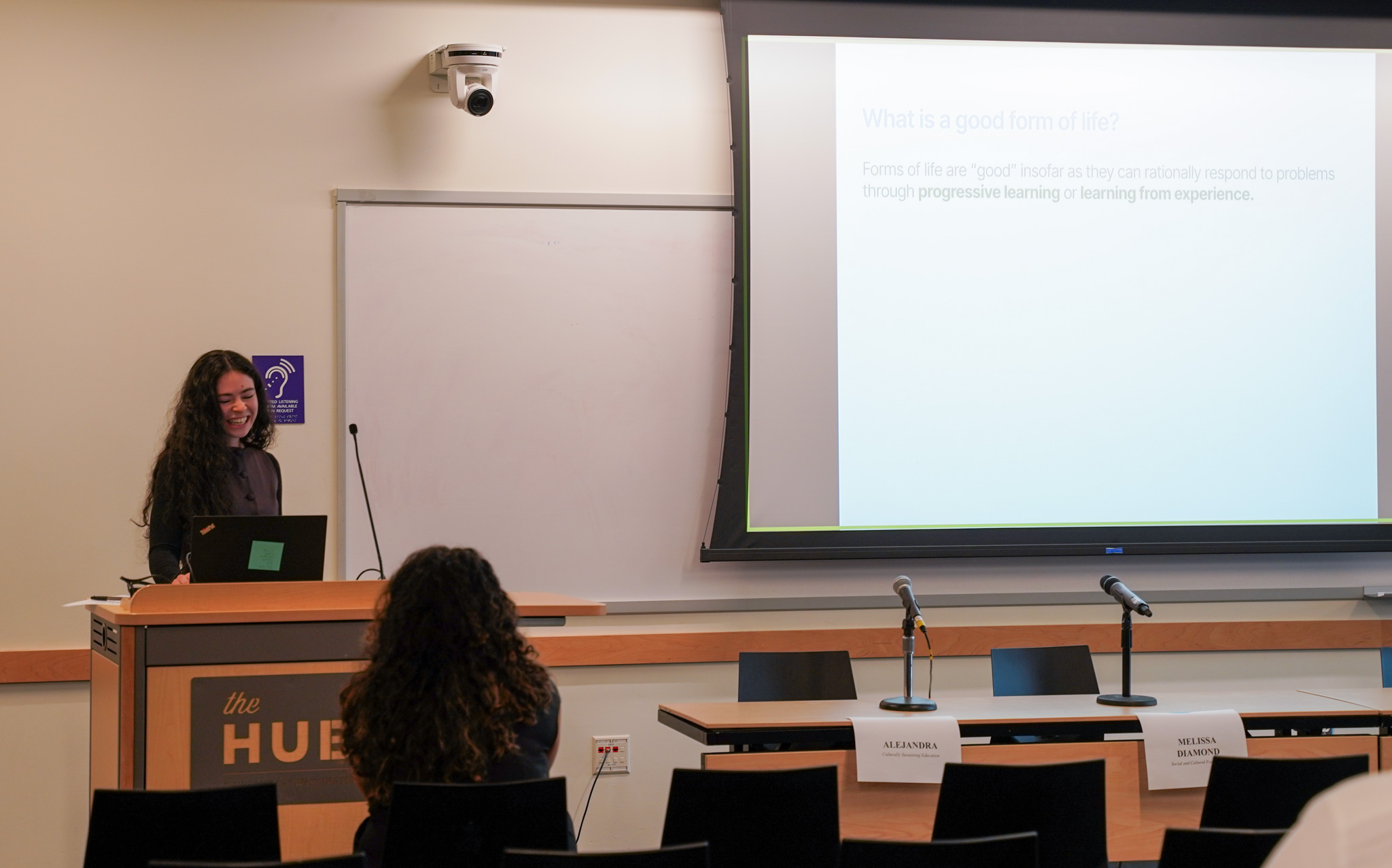
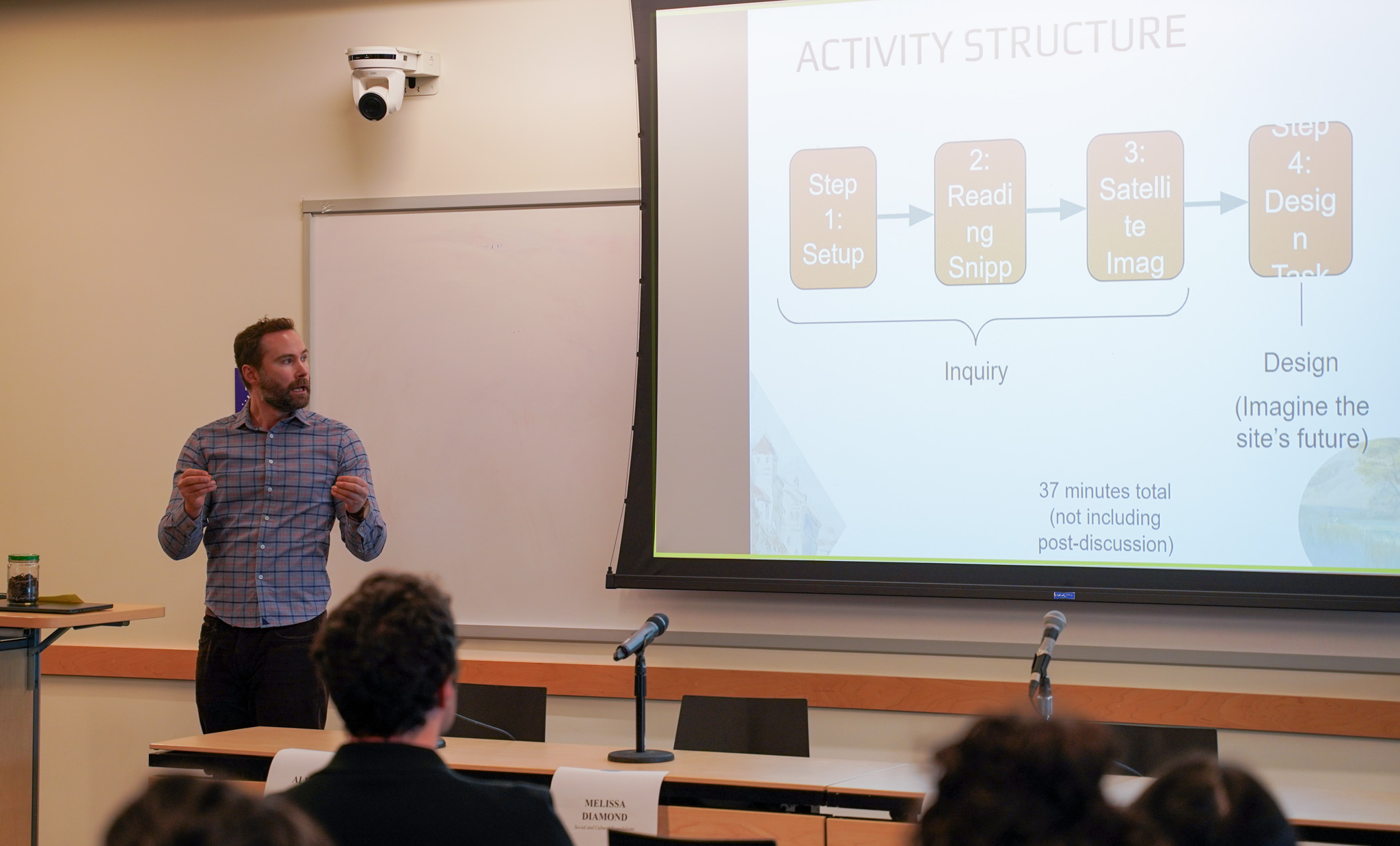
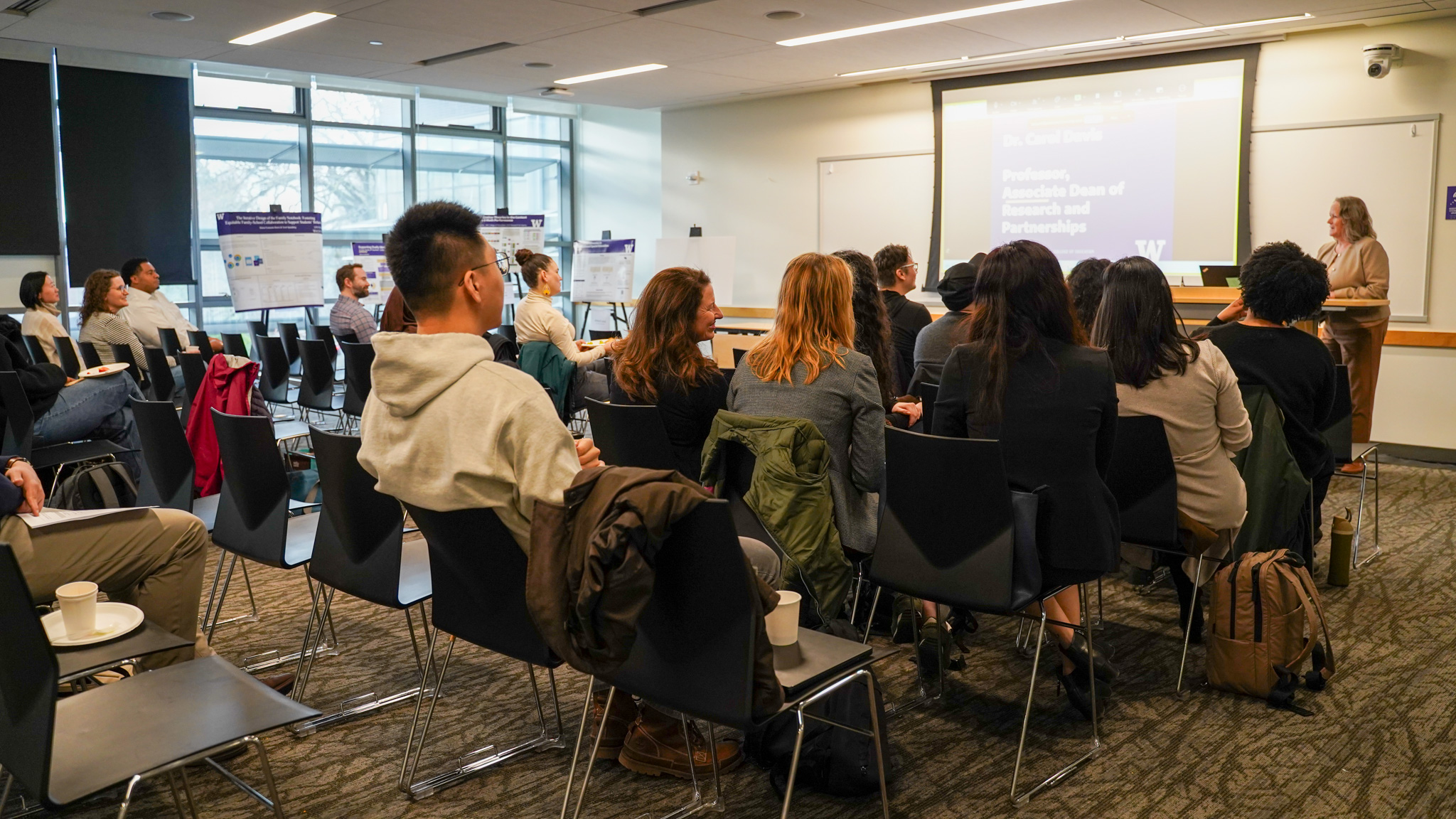
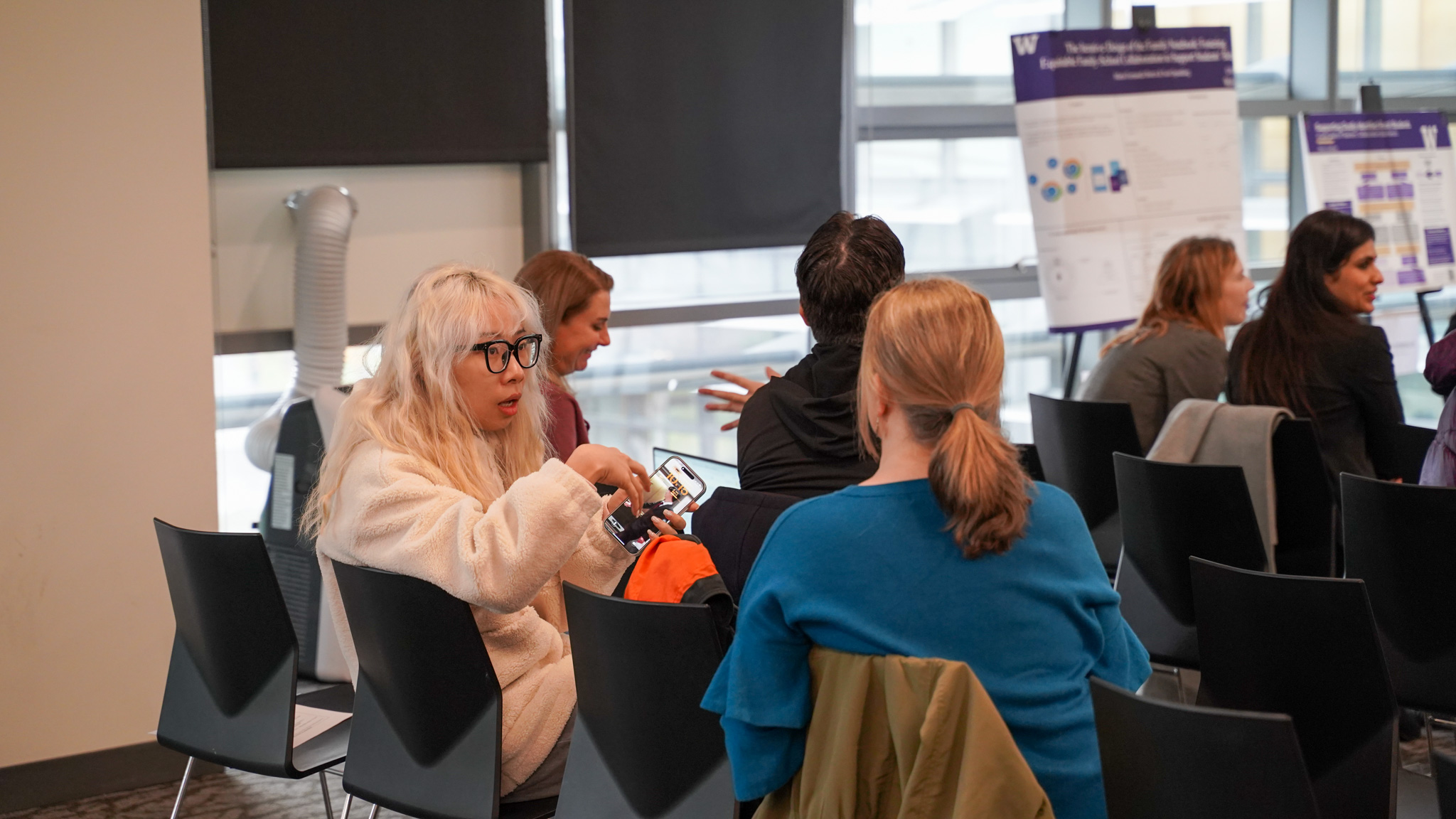
The Research & Inquiry (R&I) Conference brought together 22 doctoral students to share their work and celebrate an important milestone in their Ph.D. journeys. Through thoughtful and compelling presentations, students explored topics ranging from data-informed policy to critically sustaining teacher identity in hegemonic spaces, as well as themes of agency, resistance and collective action.
More than a requirement on the path to dissertation defense, R&I is a meaningful moment for connection — supporting students’ growth as researchers, practitioners and members of a vibrant scholarly community within the College.
Congratulations to all who presented and participated in this milestone achievement!
We invite you to hear directly from some of the students below:
Shino Aguilar-Someya
School Psychology; advisor: Dr. James Mazza
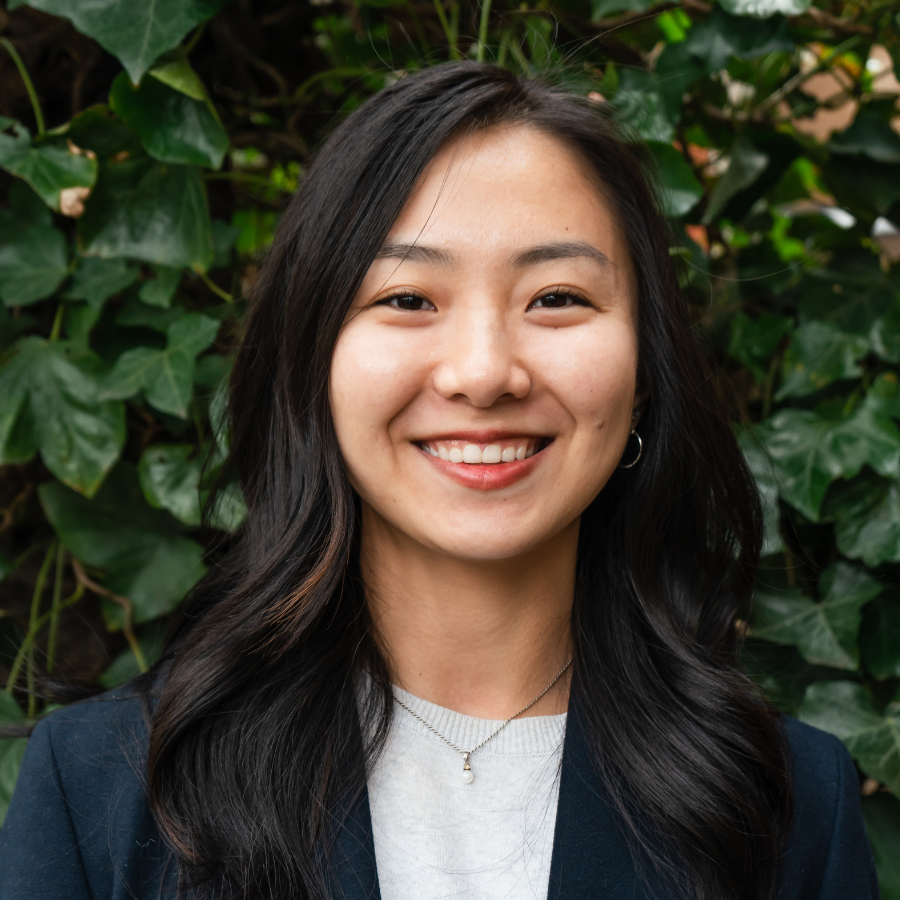
Tell us about a moment or experience that led you to this research.
My interest in this research comes from both personal experience and what I have seen in people around me. I became increasingly aware of how mental health struggles can be present but often go unspoken and unnoticed, especially in Asian and Asian American communities where stigma, pressure, and cultural expectations can make it harder to seek support. That led me to want to better understand the unique factors that shape mental health for Asian students and to explore what kinds of supports may actually help.
When you describe your work to someone outside the university, what do you say?
I study how to better support Asian and Asian American college students who may be struggling with mental health, especially students dealing with anxiety, stigma, and difficulty seeking help. I am particularly interested in how social and emotional learning and other supportive approaches can help students feel better and build resilience.
Who do you think about when you’re doing this work?
I think about students who are silently struggling with mental health and may not feel comfortable asking for help. I also think about people I personally know whose experiences have shown me how real and often invisible these struggles can be.
What’s something about your journey to this point that people might not expect?
What people might not expect is that this work is deeply personal to me. Although I approach it as both a researcher and practitioner, my interest also comes from witnessing how mental health concerns can affect people quietly and how easily those struggles can be overlooked.
Where do you hope this work makes a difference in the real world?
I hope this work contributes to a world where Asian and Asian American students do not have to struggle with mental health in silence. I want this research to inform supports that reduce stigma, increase access to care, and help students build resilience, connection, and emotional well being.
Chaltu Hussein
Learning Sciences and Human Development; advisor: Dr. Anna Lees
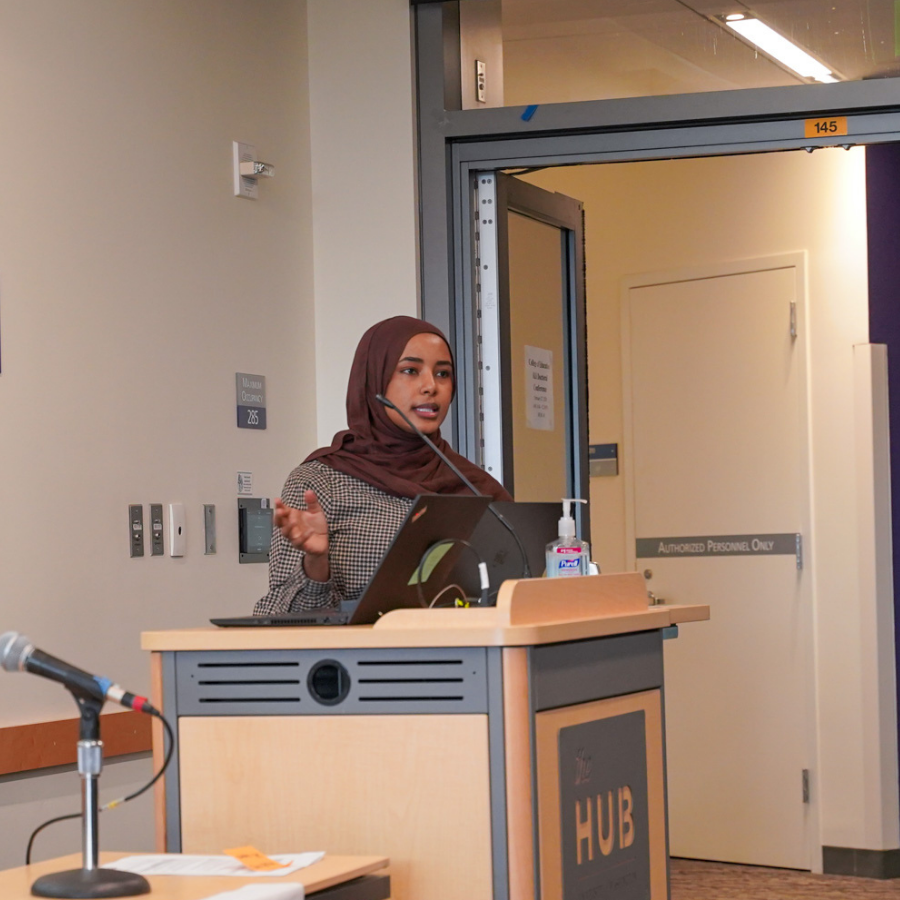
What led you to this research?
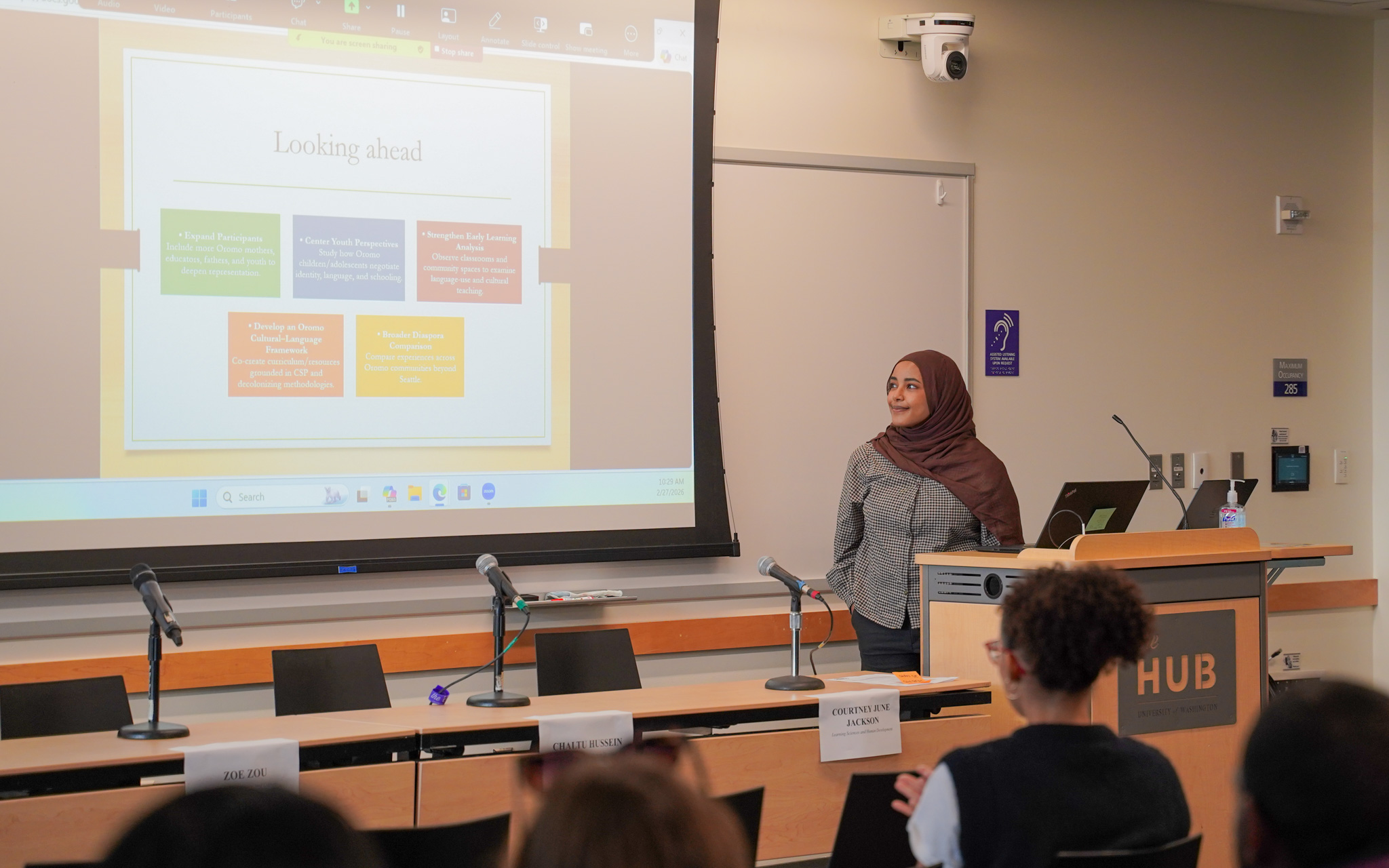
A moment that led me to this research was recognizing how deeply identity, language, and intergenerational relationships shape outcomes for youth and families in my East African Oromo community. Through my research and inquiry work, I began exploring how Oromo language and cultural practices are sustained—or lost—across generations in the diaspora. I saw how youth who felt disconnected from their language and cultural identity often experienced challenges with belonging and development, especially in educational spaces that did not reflect their lived experiences.
This led me to focus on intergenerational learning as a pathway for revitalizing language and strengthening identity. My work centers on how culturally sustaining practices within families and communities can support youth development and improve long-term outcomes for children in diaspora communities.
How do you describe your work to someone outside the university?
I work with East African families—especially women and children—to understand how culture, language, and identity shape their everyday lives and opportunities. Through community-based research, I partner with families to explore how intergenerational learning—like storytelling, language-sharing, and cultural practices—can support children’s development and sense of belonging.
Ultimately, my work is about helping create more supportive, culturally grounded environments where youth can thrive both in school and in their communities.
Who do you think about when you’re doing this work?
I think about my brother, Chala Hussein, who passed away Allah Yer Hamu, right before I began my graduate educational journey. He navigated challenges that many young East African immigrants face—searching for belonging, trying to make sense of identity, and moving through systems that were not built with him in mind. His life, including both his struggles and his perseverance, continues to guide me.
As I conduct my research on intergenerational learning and identity development, I often think about the kinds of spaces and supports that might have made a difference in his life—spaces where language, culture, and community were not only present, but affirmed. His experiences remind me that this work is not just theoretical; it is about creating real pathways of support, belonging, and opportunity for youth navigating complex identities in the diaspora.
This work is deeply personal to me; it is about honoring his life by working toward a future where other young people do not have to navigate those challenges alone.
What’s something about your journey that people might not expect?
One aspect of my journey that people might not expect is my commitment to bridging research with practice, particularly through mental health. While my research focuses on language, identity, and intergenerational learning, I am equally invested in understanding how these factors intersect with youth mental health and well-being.
I hope to become a practitioner who can translate research into direct support for families—designing culturally responsive interventions that address both educational and mental health outcomes. For me, research is not separate from practice; it is a tool for building more holistic and community-centered systems of care.
Where do you hope your work makes a difference?
I hope my work makes a meaningful difference for East African mothers and children—especially within the Oromo community—who are often on the margins when it comes to culturally responsive resources and support systems.
Through my research on intergenerational learning and Oromo language revitalization, I aim to contribute to community-centered approaches that strengthen family relationships, support identity development, and create more inclusive educational and social environments. Ultimately, I want this work to help build systems where cultural knowledge is seen as an asset, and where youth and families feel a strong sense of belonging and possibility.