Get to Know Our EduDawgs: He Ren
Our “Get to Know Our EduDawgs” series celebrates the incredible undergraduate and graduate students who make up the UW College of Education community. Through student interviews and storytelling, we’re highlighting the passions, experiences and perspectives that shape their journeys — in the classroom, in the community and beyond. 🌎✨
Each story is a glimpse into what drives our future educators, researchers and advocates to make a difference.
Editor's note: This story was written by student associate Winston N. through the College of Education’s partnership with Cristo Rey Jesuit Seattle High School.
Measuring what matters
He Ren (PhD, Measurement & Statistics, advisor: Dr. Chun Wang)
Hometown
ChinaExperience
Statistician, doctoral student and researcherInspiration
“Statistics isn’t just about numbers; it’s about creating tools that help us understand how people learn, grow and experience the world.”
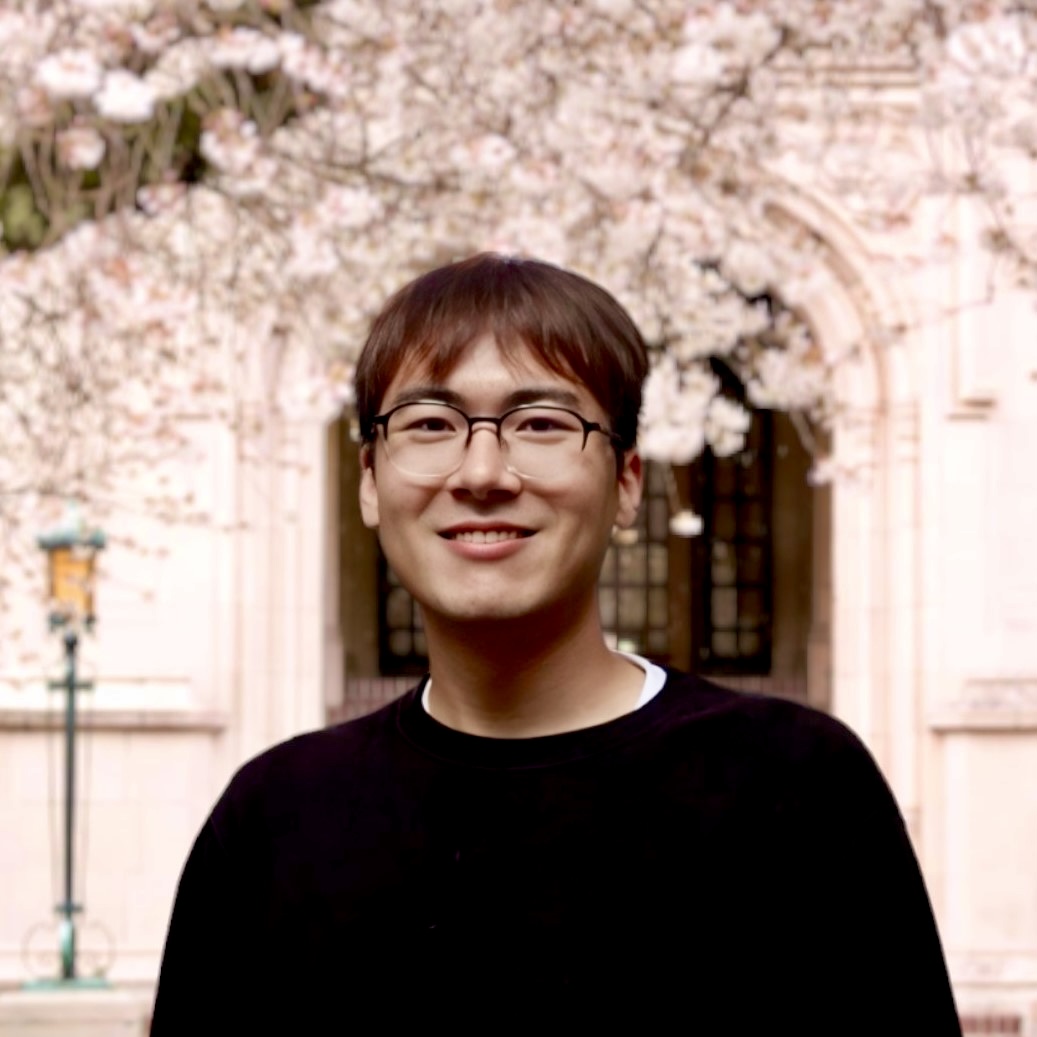
For doctoral student He Ren (Pronunciation /xɤ̂ ʐən˧˥/ or "huh zhen"), statistics is not just about complicated math. It is a way to better understand how people learn, grow, and experience the world.
Ren is a doctoral student in Measurement and Statistics in the College of Education at the University of Washington, advised by Dr. Chun Wang. What stood out most during our conversation is how practical his work is. Instead of seeing statistics as just numbers on a page, Ren sees it as a tool that can help people reflect on learning, growth, and well-being.
Ren has a background in both statistics and psychology. His long-standing interest in human behavior and student learning led him to educational measurement, which focuses on how tests and surveys can be used to better understand people. Ren shared, “Paper-and-pencil assessments require minimal resources, and they remain one of the most accessible tools for understanding human behavior.”
A big part of Ren’s research is ensuring that assessments truly measure what they are intended to measure. Many aspects of human experience, like a student’s sense of belonging or someone’s emotional well-being, cannot be seen directly. Ren explained that these are called “latent traits,” which are underlying characteristics that researchers try to measure using surveys or assessments. For example, a survey might ask students about their feelings of connection at school or ask patients in a hospital about their mental health. Because these traits are not directly visible, it is important that the questions accurately capture the intended latent trait and work consistently for people from different backgrounds. To study this, Ren uses statistical models such as Item Response Theory (IRT), which help researchers understand how people’s responses to survey questions relate to the traits the assessment is designed to measure.
One challenge Ren talked about is that real-world data is often messy. “Real world situations are always messier than simulations,” Ren explained. Instead of being frustrated by that, Ren uses it as motivation to develop better methods. Seeing people apply these models to real data, such as information collected in hospitals or schools, is especially meaningful.
Ren’s work highlights how statistics can have meaningful real-world impact. Measurement is not just a mathematical exercise but influences how we understand and support people. When assessments accurately measure what they are intended to measure, the decisions based on them can be more thoughtful and supportive.
Outside of research, Ren enjoys hiking, swimming, and paddle boarding.
