Get to Know Our EduDawgs: Malcom King
Our “Get to Know Our EduDawgs” series celebrates the incredible undergraduate and graduate students who make up the UW College of Education community. Through student interviews and storytelling, we’re highlighting the passions, experiences and perspectives that shape their journeys — in the classroom, in the community and beyond. 🌎✨
Each story is a glimpse into what drives our future educators, researchers and advocates to make a difference.
Editor's note: This story was written by student associate Winston N. through the College of Education’s partnership with Cristo Rey Jesuit Seattle High School.
Letting kids lead
Malcom King (PhD, Culturally Sustaining Education, advisor: Dr. Maggie Beneke)
Hometown
Atlanta, GA
Experience
educator, doctoral student and researcher
Inspiration
“Allow children to teach [us] how they'd want us as adults to be in relationship with them… for them to lead us.”
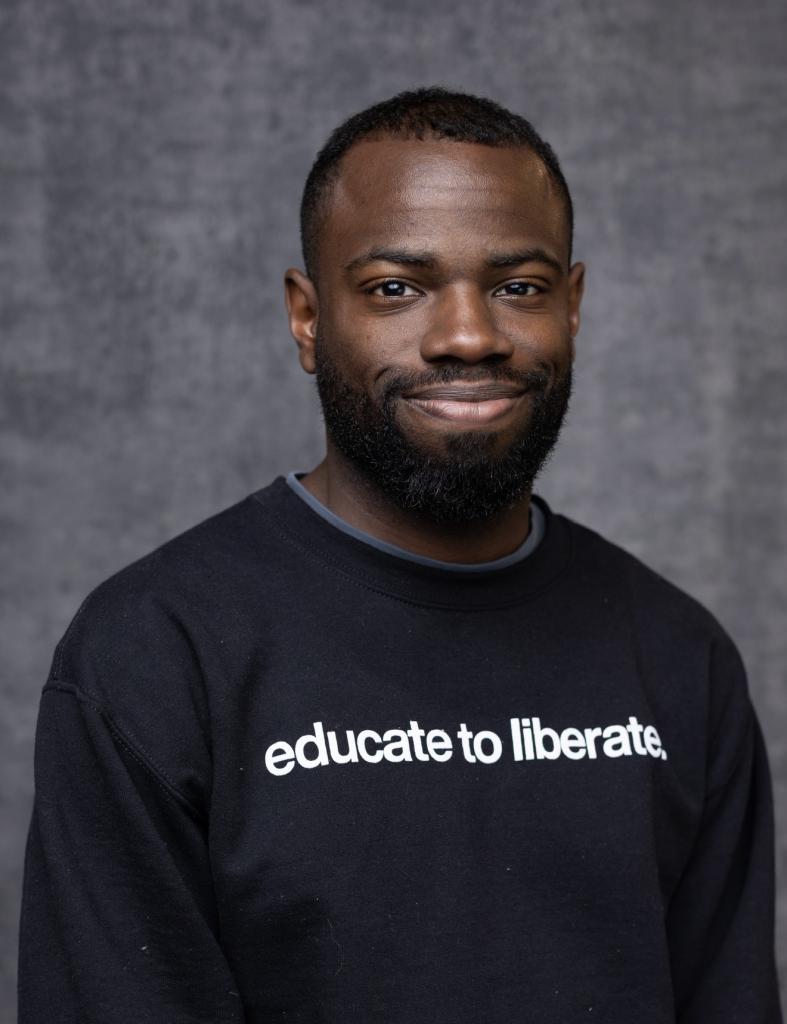
Malcom King believes children should have a real voice in their classrooms. As a doctoral student in Culturally Sustaining Education at the University of Washington College of Education, his work explores how young Black children express agency in early learning spaces.
King’s path into education was not straightforward. As an undergraduate, he studied chemistry and business and originally planned to go to medical school. “I did my bachelor’s in chemistry… and then I was heading to medical school, and I just wanted to do more service,” he shared. A teaching experience in Thailand changed everything. Teaching abroad “sort of piqued my interest in education,” especially because he noticed that schools there gave teachers and students more freedom and autonomy. That experience made him rethink what education could look like.
Now, King studies how young Black children experience school and how adults can better respect their voices. Too often, children, especially those racialized and disabled, are talked about instead of listened to. King wants to change that. He believes adults should allow children to guide their relationships and truly share their strengths and interests and leverage those to design and facilitate instruction. As he explained, adults should “allow children to teach [us] how they'd want us as adults to be in relationship with them… for them to lead us.”
This idea matters because early school experiences shape how children see themselves. When children feel heard and respected, they are more confident and more connected to learning. King’s research encourages teachers and families to rethink how they interact with young children so that kids have real influence, not just rules to follow.
King also spoke about witnessing harm in school systems, especially around mental and emotional well-being in Black communities. He shared that behavioral and mental health concerns are often “placed on the margins in school environments,” which leads to harm. These experiences pushed him toward work that centers care, dignity and listening.
Community is a major theme in King’s work. He believes education should not happen in isolation but in partnership with families, educators and scholars. “Just be in community with families, parents, educators and other scholars that are doing this work,” he said. For King, community means everyone learning from each other, especially adults learning from children.
What stands out most about King’s work is his belief that children should be realized as meaningful partners and collaborators in relationships with adults. His research shows that meaningful education begins with listening, not control. When children’s voices are respected, schools can become more supportive, fair and human places for everyone.
