Program Spotlight: Language, Literacy and Culture with Dr. Manka Varghese
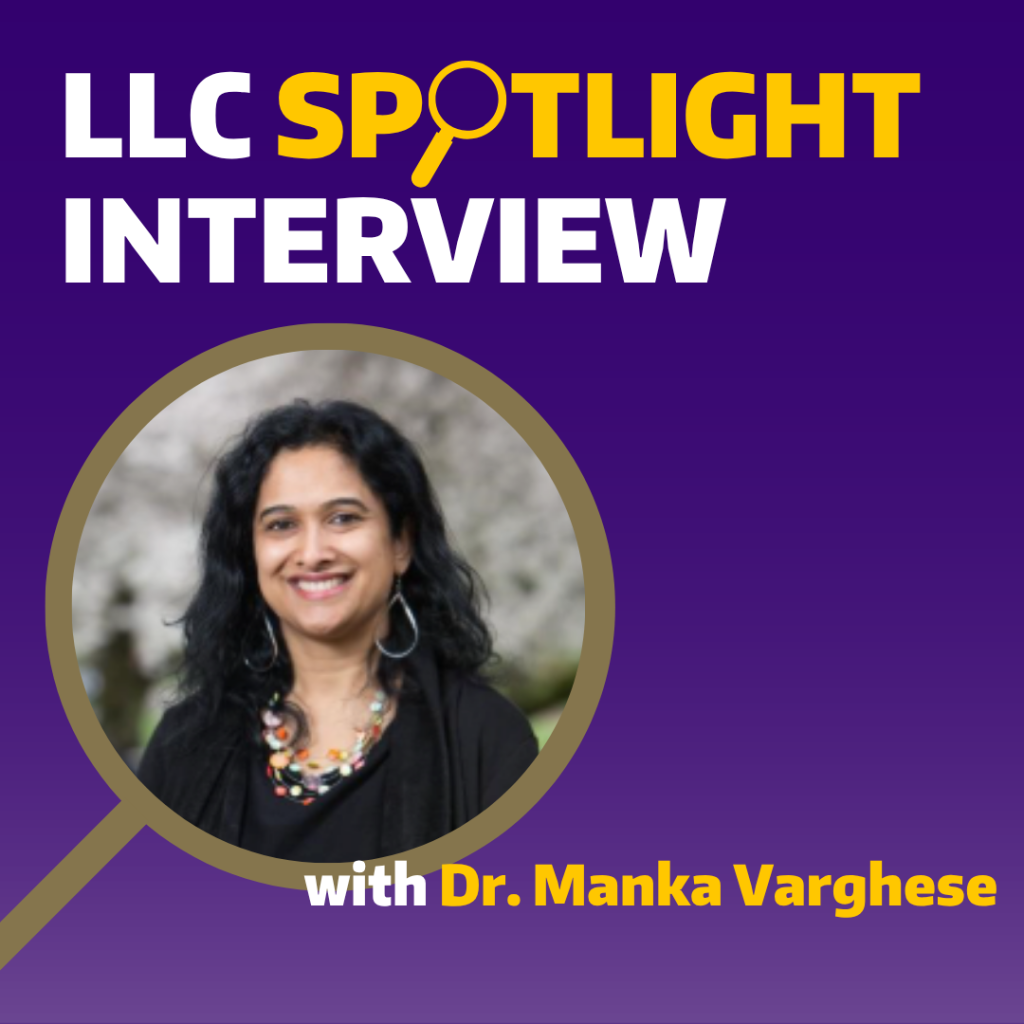
We had the chance to sit down with Dr. Manka Varghese, Program Director for the Language, Literacy and Culture Program, who shared her journey into multilingual education and offered insights into how the program prepares educators to work with diverse linguistic and cultural communities.
Meet Dr. Manka Varghese
Dr. Manka Varghese is the Program Director for the Language, Literacy and Culture program at the University of Washington College of Education. Her work focuses on multilingual education, language learning, and supporting students from diverse linguistic and cultural backgrounds.
What led you to the Teaching, Learning, and Curriculum program at the College of Education?
“I have expertise in multilingual education and came to UW with a Ph.D. in Educational Linguistics from the University of Pennsylvania, along with a master’s degree in TESOL (Teaching English to Speakers of Other Languages). Before that, I worked in teaching English to multilingual students. The Teaching, Learning, and Curriculum program here at UW is home to this specialization, so it was a natural fit for my work and interests.”
Can you tell us about the Language, Literacy, and Culture (LLC) program?
“The LLC program focuses on students who come from different language, literacy, and cultural backgrounds. What really sets the program apart is that it looks at students intersectionally and recognizes how all these identities and experiences come together.
The program prepares educators at many different levels. Some students are current teachers or educators who want to specialize in working with multilingual and multicultural students, while others are not yet certified educators but want to enter the field. We also have students interested in international education, teaching abroad, or working with learners across different age groups.
Additionally, the program supports students pursuing doctoral studies who want to conduct research or prepare future educators.”
What makes the LLC program unique?
“One of the biggest strengths of the program is its flexibility. Students can specialize in LLC while also taking courses in other areas that support their goals, such as teacher education, educational policy, or home-school-community partnerships.
A lot of similar programs, both within and outside UW, don’t offer that same breadth of opportunity. Our students can build expertise across multiple areas while still maintaining a strong focus on language, literacy, and culture.”
How do faculty support students in the LLC program?
“We support students by helping them develop both practical teaching strategies and broader ways of thinking about education. The program prepares educators to work thoughtfully with students from different language, literacy, and cultural backgrounds while also encouraging critical reflection about educational systems and practices.
I think one of the most important things we do is help students shift their perspectives and orientations toward education. We encourage them to think critically about curriculum, pedagogy, educational technology, and the systems that shape schools and learning environments.”
What do you enjoy most about teaching and working with students?
“I really enjoy recognizing what students bring into the classroom and learning from them. When you truly listen to students, they bring so many perspectives, experiences, and forms of knowledge that challenge assumptions people often make.
For example, I had students from Pakistan and Indigenous communities in one of our foundational courses. It was incredible to learn from their experiences and see how they connected course concepts to their own communities and contexts. Watching students apply what they’re learning in meaningful and relevant ways is one of the most rewarding parts of teaching.”
What advice would you give to prospective LLC students?
“The LLC program invites students to bring their full selves into the work. It’s a flexible and creative program that allows students to shape professional pathways that are meaningful to them.
The program also gives students tools to become critical consumers of education—whether that’s curriculum, educational technology, or pedagogy. Just as importantly, students develop the skills needed to work across differences and collaborate with diverse communities.
Those are incredibly important skills not only in education, but in many fields today.”
