
Masters in Applied Behavior Analysis (Online)
Applications Are Open!
Applications for our 2027 admissions cycle are now open for Autumn 2027 enrollment. Start your application today!
If you have questions about the application process, please contact abainfo@uw.edu.
Priority Application Deadline: January 4, 2027
Final Application Deadline: May 1, 2027
What you can earn
Duration
Credits earned
Format
Time commitment
Upcoming deadline
Join a rewarding career that creates positive change
Applied Behavior Analysis (ABA) is a rapidly growing and dynamic field. In the subspecialty concentration of special education, behavior analysts are dedicated to enhancing the quality of life of individuals with developmental disabilities and their families.
Our online program uses a cohort model to promote collaborative learning among students and faculty. Graduates of the program will have completed the coursework required to sit for the Behavior Analyst Certification Board exam to become a Board Certified Behavior Analyst.
For students in the greater Seattle area, optional shared supervision opportunities provide additional connection to local agencies and university-affiliated fieldwork settings.
Curriculum
Overview
Our synchronous online classes leverage technology to support engaging lectures, meaningful discussions, and collaborative learning experiences. Students progress through a prescribed course sequence with their cohort and may complete the program in either two or three years.
Classes are held Tuesdays and Thursdays from 5–7:20 pm Pacific Time and Wednesdays from 5–6:20 pm Pacific Time. Course schedules vary by year and completion track.
While the ABA Online Program is designed to be completed remotely, students may choose to participate in a variety of optional campus-based opportunities throughout the program.
- Optional In-Person Opportunities
Autumn Year 1: Orientation
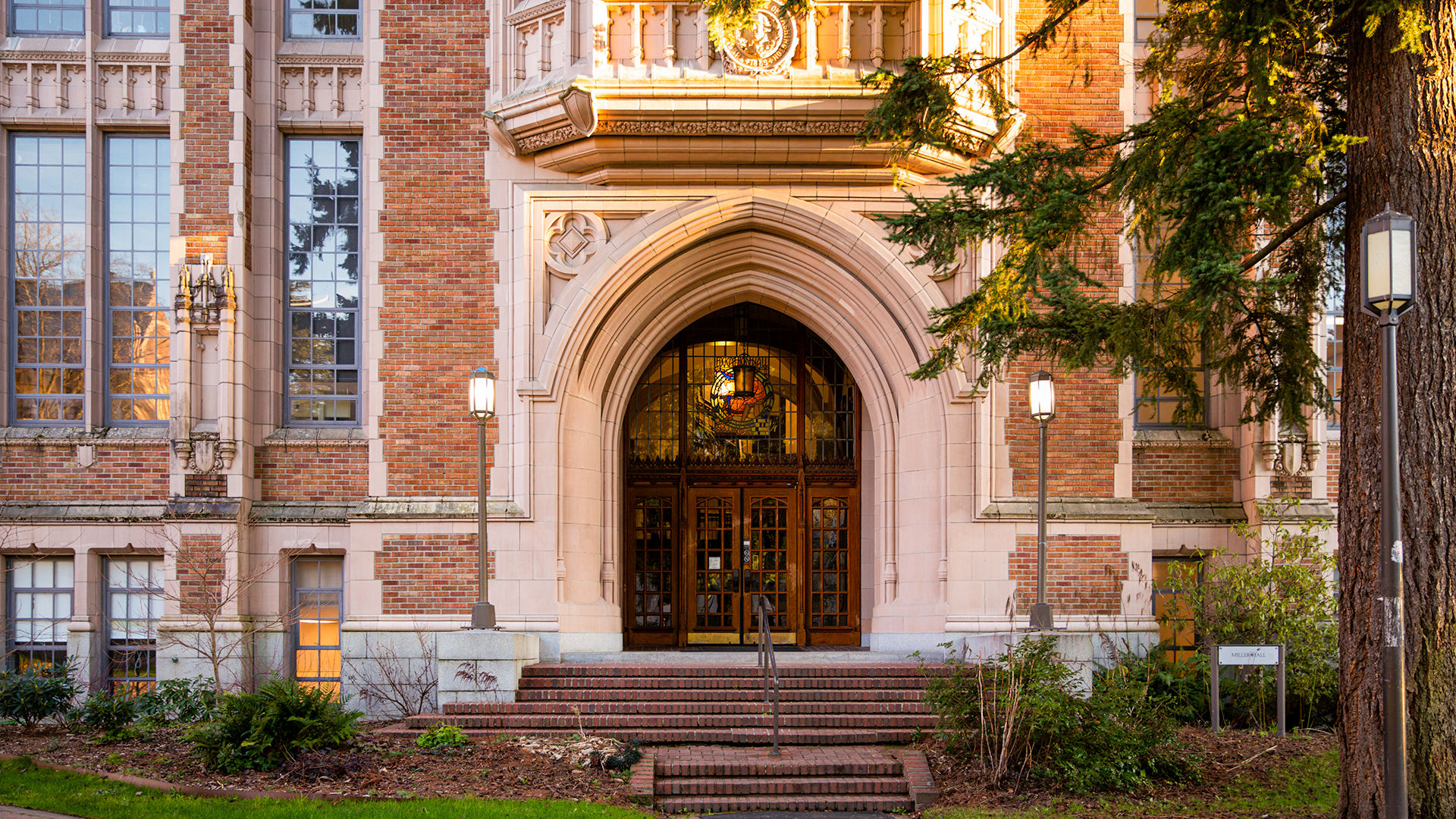
- Hybrid: Attend in person in Miller Hall (College of Education) or via Zoom. Orientation takes place the Saturday before Autumn Quarter classes begin.
Winter Years 1 & 2: Winter Quarter Kick-Off Gathering
- In-person: Join faculty and classmates for an informal dinner in Miller Hall to kick off the new year.
Spring Years 1 & 2: Visiting Scholar Event
- Hybrid: Attend in person or via Zoom for a presentation and discussion with an invited scholar in behavior analysis or a related field. Held one Saturday in April.
Spring Years 1 & 2: Capstone Presentations
- Hybrid: Attend in person in Miller Hall or via Zoom as graduating students present their capstone projects on the Saturday before commencement.
- Students attending in person are also invited to join the program’s graduation celebration following the presentations.
Seattle-Area Fieldwork Opportunities
- Students located in the greater Seattle area may have opportunities to pursue fieldwork experiences through university-affiliated partners (Haring Center for Inclusive Education, UW Autism Center, Seattle Children’s Hospital Autism Center)
School-Based ABA Fieldwork Site Observations
- In-person: Arrange observations at the Experimental Education Unit (an inclusive early childhood program) at the Haring Center for Inclusive Education, one of the program's fieldwork partner sites.
Faculty Research Opportunities
- Hybrid/Remote: Many ABA faculty are actively engaged in research and scholarly projects. Interested students are encouraged to reach out to faculty members directly to learn about opportunities to become involved.
Completion Timeline: Most students complete the ABA Online program in 7 quarters when following the standard schedule. Students on a 3-year-track may be able to complete the program in 10 quarters. Completion timelines vary based on course load, scheduling, and individual circumstances. Please consult with an adviser to discuss your academic goals and determine the timeline that best fits your needs.
Technical requirements: To make the most of our program, ensure that you have a reliable internet connection, a computer or laptop, a video camera for effective communication, a high-quality headset for clear audio, and a quiet location that fosters focused learning.
Courses
 | The Master of Education degree program in Special Education - Applied Behavior Analysis is recognized as Tier 2A by the Association for Behavior Analysis International. |
- Two-Year-Track
Year 1 (26-32 credits)
- Autumn Quarter: 7-9 credits
- EDSPE 533: Concepts & Principles I (3)
- EDSPE 571: Measurement in Applied Behavior Analysis (3)
- EDSPE 500: Practicum (1-3)
- Winter Quarter: 7-9 credits
- EDSPE 534: Concepts & Principles II (3)
- EDSPE 536: Assessment in Applied Behavior Analysis I (3)
- EDSPE 500: Practicum (1-3)
- Spring Quarter: 7-9 credits
- EDSPE 552: Evidence-based Instructional Strategies in Applied Behavior Analysis (3)
- EDSPE 511: Single Case Research Design (3)
- EDSPE 500: Practicum (1-3)
- Summer Quarter: 5 credits
- EDSPE 529: Ethics & Professionalism in Applied Behavior Analysis (5)
Year 2 (30 credits)
- Autumn Quarter: 10 credits
- EDSPE 537: Assessment in Applied Behavior Analysis II (3)
- EDSPE 553: Supervision in Applied Behavior Analysis (3)
- EDSPE 530: Readings in Applied Behavior Analysis (1)
- EDSPE 601: Internship (3)
- Winter Quarter: 10 credits
- EDSPE 538: Experimental Analysis of Behavior (3)
- EDSPE 531: Planning Comprehensive Behavioral Interventions (3)
- EDSPE 530: Readings in Applied Behavior Analysis (1)
- EDSPE 601: Internship (3)
- Spring Quarter: 10 credits
- EDSPE 554: Behavior Analysts in the Schools (3)
- EDSPE 535: History & Philosophy of Applied Behavior Analysis (3)
- EDSPE 530: Readings in Applied Behavior Analysis (1)
- EDSPE 601: Internship (3)
- Autumn Quarter: 7-9 credits
- Three-Year-Track
Year 1 (23 credits)
- Autumn Quarter: 6 credits
- EDSPE 533: Concepts & Principles I (3)
- EDSPE 571: Measurement in Applied Behavior Analysis (3)
- Winter Quarter: 6 credits
- EDSPE 534: Concepts & Principles II (3)
- EDSPE 536: Assessment in Applied Behavior Analysis I (3)
- Spring Quarter: 6 credits
- EDSPE 552: Evidence-based Instructional Strategies in Applied Behavior Analysis (3)
- EDSPE 511: Single Case Research Design (3)
- Summer Quarter: 5 credits
- EDSPE 529: Ethics & Professionalism in Applied Behavior Analysis (5)
Year 2 (12-18 credits)
- Autumn Quarter: 4-6 credits
- EDSPE 537: Assessment in Applied Behavior Analysis II (3)
- EDSPE 500: Practicum (1-3)
- Winter Quarter: 4-6 credits
- EDSPE 531: Planning Comprehensive Behavioral Interventions (3)
- EDSPE 500: Practicum (1-3)
- Spring Quarter: 4-6 credits
- EDSPE 535: History & Philosophy of Applied Behavior Analysis (3)
- EDSPE 500: Practicum (1-3)
Year 3 (21 credits)
- Autumn Quarter: 7 credits
- EDSPE 553: Supervision in Applied Behavior Analysis (3)
- EDSPE 530: Readings in Applied Behavior Analysis (1)
- EDSPE 601: Internship (3)
- Winter Quarter: 7 credits
- EDSPE 538: Experimental Analysis of Behavior (3)
- EDSPE 530: Readings in Applied Behavior Analysis (1)
- EDSPE 601: Internship (3)
- Spring Quarter: 7 credits
- EDSPE 554: Behavior Analysts in the Schools (3)
- EDSPE 530: Readings in Applied Behavior Analysis (1)
- EDSPE 601: Internship (3)
- Autumn Quarter: 6 credits
Fieldwork
Fieldwork plays a crucial role in applying the strategies and skills learned during coursework. Throughout the program, students are expected to have access to opportunities to work directly with individuals with developmental disabilities in educational, clinical, community, or home settings. These applied experiences allow students to connect coursework to professional practice while developing competencies in behavior analysis.
All students complete practicum and internship coursework as part of the program. While students are ultimately responsible for obtaining their own fieldwork site, program faculty provide support to incoming students in identifying potential fieldwork opportunities prior to beginning the program.
Students located in the greater Seattle area may have opportunities to complete fieldwork experiences through university-affiliated partners, including the Haring Center for Inclusive Education, the University of Washington Autism Center, and Seattle Children's Autism Center.
Students seeking board certification as a behavior analyst must also complete 1500-2000 hours of supervised fieldwork that meets Behavior Analyst Certification Board (BACB) requirements. To learn more about BACB fieldwork requirements, please visit the BACB website.
- Practicum & Applied Seminar (EDSPE 500)
- Through the yearlong practicum sequence, students participate in weekly seminar meetings designed to support the integration of coursework and applied practice.
- All students enroll in practicum and participate in the seminar component of the course. Students are responsible for obtaining access to an appropriate fieldwork setting and opportunities to work with individuals with developmental disabilities.
- Students may also choose to pursue BACB supervision of their fieldwork hours through the University of Washington via the Optional Shared Supervision Model or the Optional Full Supervision Model described below.
- Practicum enrollment ranges from 1–3 credits per quarter depending on fieldwork and supervision arrangements.
- Internship & Capstone Project (EDSPE 601)
- During the internship sequence, students engage in advanced professional practice while completing a year-long capstone project. Internship coursework supports students in planning, implementing, and evaluating their capstone project while integrating professional practice with behavior-analytic principles.
- For students receiving BACB supervision of their fieldwork hours via the Optional Shared Supervision Model or the Optional Full Supervision Model described below, designated internship sections continue group supervision and mentorship while supporting students' advanced professional development and capstone activities.
- Optional Shared Supervision Model (Local Students)
- Students located in the greater Seattle area may be eligible to participate in the program's Share Supervision Model. This model is designed to meet BACB requirements for supervision of fieldwork hours by combining individual supervision provided through a student's fieldwork site with group supervision provided through the University of Washington.
- Students are enrolled in designated practicum and internship sections with other Seattle-area students that fulfill BACB group supervision requirements. This setup allows students to benefit from both university-based and site-based supervision while completing BACB fieldwork requirements.
- Program faculty maintain relationships with a variety of local agencies and service providers that have hosted UW students under this model. Opportunities may also be available to complete fieldwork experiences at university-affiliated sites, including the Haring Center for Inclusive Education, the University of Washington Autism Center, and Seattle Children's Autism Center.
- Optional Full Supervision Model (Limited Availability)
- A limited number of students may be eligible to participate in the program's Full Supervision Model. This model is designed to meet BACB requirements for supervision of fieldwork hours by providing both individual and group supervision through the University of Washington.
- Students are enrolled in designated practicum and internship sections with other students pursuing the same supervision pathway. Availability is limited and may vary based on student location, state licensure regulations, and program resources.
- Because the Full Supervision Model requires regular direct observation of fieldwork activities, students must have access to a fieldwork setting that permits observation and video recording consistent with program and BACB requirements. Students interested in pursuing full supervision should discuss options with the fieldwork and program directors prior to enrollment.
Completion
Capstone Project
The Capstone Project serves as the culminating requirement for the M.Ed. degree. Completed during the yearlong EDSPE 601 Internship sequence, capstone projects focus on training an adult implementer(s) (e.g., caregiver, behavior technician, paraprofessional, educator, or other service provider) to implement an ABA-aligned skill, strategy, or intervention. Using single-case design methodology, students evaluate the effects of their training and the outcomes associated with implementation. Projects are typically completed within students' workplaces or other fieldwork settings and provide students with experience in supervision, training, and applied problem solving.
Download the 2026-27 Capstone Handbook
Behavior Analyst Certification Board examination
After finishing this program, students will have met the coursework requirements to sit for the Behavior Analyst Certification Board (BACB) exam via Pathway 1 (ABAI Recognized Program).
It is important to note that while the BCBA certification is valid in all 50 states, many states also require behavior analysts to be licensed. State laws related to licensure of behavior analysts vary and do not necessarily reflect the same requirements as the BCBA certification. Please research the requirements for the state you plan to apply for licensure in. For more information, visit BACB's page on state licensure.
IMPORTANT: Only individuals residing in the United States and Canada (with the exception of Ontario) may apply for BACB certification. Visit BACB's page on international development.
Admission requirements and process
Overview
We value applicants who are committed to improving the lives of individuals with disabilities and their families. Successful applicants bring a range of experiences and perspectives, including professional, educational, volunteer, research, and lived experiences that have shaped their interest in applied behavior analysis.
Applications are reviewed holistically, and we welcome candidates from a variety of academic and professional backgrounds. We encourage applicants to highlight the experiences, strengths, and goals that have prepared them for graduate study and work in behavior analysis.
Materials
- Application Fee
A $90.00 application fee is required and must be paid by credit card through the online application system.
Fee Waiver: The Graduate School offers a limited number of application fee waivers to qualified applicants. Application fee waiver requests must be made at least seven (7) days before your program’s application deadline to allow time for review. Who is eligible? Application fee waivers are available to U.S. citizens, permanent residents, and undocumented applicants who demonstrate financial need or hardship.
- Bachelor’s Degree from an Accredited Institution
A bachelor’s degree is required for admission to the program. Your degree may be in progress at the time of application, but it must be completed before the program begins.
- Unofficial Transcript(s) (Minimum 3.0 GPA)
You must submit unofficial transcript(s) with your application from every college or university where you earned academic credit. The UW Graduate School requires a cumulative GPA of 3.0, or a 3.0 in your most recent 90 graded quarter credits (60 semester credits). GPA is only one part of the application review.
Applications are reviewed holistically, and we encourage you to apply even if your GPA is below 3.0. You do not need to take additional coursework to raise your GPA. Instead, focus on submitting a strong goal statement that explains your interests and how the program aligns with your professional or personal goals, along with strong letters of recommendation. You are also welcome to provide context for a GPA below 3.0.
- Two Letters of Recommendation
During the online application process, you will be prompted to add your recommenders. Once added, your recommenders will receive an email with instructions for submitting their letters electronically.
Two letters of recommendation are required from academic or professional references. At least one letter should come from a professional reference (e.g., supervisor) who can speak to your relevant experience. Recommenders are encouraged to comment on the applicant’s potential for graduate study and work as a behavior analyst.
- Resume/Curriculum Vitae (CV)
A current academic and professional resume or vita is required. Your resume should summarize your educational background, professional and relevant applied experiences, and qualifications related to graduate study in applied behavior analysis. In addition to degrees and professional experience, please include relevant awards, publications, presentations, certifications, or other achievements that will help us evaluate your application. Relevant experience may include work in applied behavior analysis as well as related experiences in education, human services, disability support, research, and lived or caregiving experience supporting neurodivergent individuals and their families. Applications are reviewed holistically, and we value the quality, breadth, and relevance of applicants’ experiences.
Be sure to review your resume to show clear communication - free of errors - and attention to detail, including specifying start and end dates of professional experiences.
- Statement of Purpose
The admissions committee uses your statement of purpose, along with other application materials, to assess your fit with the program and readiness for graduate study. In no more than two double-spaced pages, please address the following:
- What experiences have shaped your interest in applied behavior analysis as a field, and why are you pursuing ABA specifically?
- Why is the University of Washington ABA program a good fit for your academic, professional, and career goals? Please be specific in discussing aspects of the program that align with your interests.
- How have your academic, professional, volunteer, lived, or other relevant experiences prepared you for graduate study in ABA?
- Applied experience in the field is an important component of becoming a behavior analyst. In what type of setting (e.g., school, clinic, etc.) do you foresee gaining professional experience in ABA?
- What perspectives, experiences, strengths, or commitments would you bring to our learning community and to the field, and how do you see these shaping your future work with individuals with developmental disabilities?
- Personal History Statement (Optional)
While optional, submitting a personal history statement can strengthen your application by providing additional context about your background and experiences.
This statement should describe your intellectual growth and development, including influences both within and beyond your academic experiences. You may address:
- Your personal history, family background, or other influences on your development
- How your life experiences have shaped your interests, career plans, and future goals
Statements should be no more than two pages. We recommend using double-spaced text and a clear, legible 12-point font (Times New Roman or Calibri).
Submitting
Program is open to all eligible persons regardless of race, sex or other identity.
- Gather all required documents
- Visit the Graduate School website
- Log into your account or create a new profile if you are a first-time applicant
- Complete all steps in application process and upload your documents
- Pay the nonrefundable $90 application fee
- You may request a fee waiver during the application process
- Submit your application
When completing your application, you will select the following options for the Program Selection:
- Select your application type
- Select 'Graduate'
- Narrow Your Search
- Select 'By Degree'
- Select 'Master's'
- Select your Program:
- Education - Seattle (MEd - Special Education - Applied Behavior Analysis Online Education)
Next Steps
Costs and funding
Estimated Costs
The ABA Online program is a self-sustaining, fee-based program. Course fees are charged on a per-credit basis and are the same for Washington residents and non-residents. Course fees for 2026-2027 are $589 per credit. Course fees do not include the cost of textbooks and materials.
Because the ABA Online program is fee-based, fiscal operations are managed through UW Professional & Continuing Education (UWPCE). The relationship between UWPCE and the program has no impact on your degree. The Master of Education degree is conferred by the University of Washington’s College of Education.
Funding & Scholarships
Federal financial aid is available for students enrolled in 5 or more credits per quarter. Visit the UW Financial Aid website for information and resources.
Students enrolled in the three-year track should note that some quarters may not automatically meet the 5-credit threshold required for federal financial aid eligibility. Students who require financial aid should discuss enrollment planning with the Program Director prior to beginning the program. Students may elect to adjust their course sequence to maintain financial aid eligibility.
Program core ethical principles
- Beneficence
Behavior analysts have a responsibility to engage in practices that maximize their clients' well-being and avoid those that cause harm. We understand that behavior analytic services are most likely to benefit our clients when they are provided in the context of a trusting and compassionate relationship. Where conflicts of interest arise between consumers of behavior analysis, we prioritize outcomes for the most vulnerable clients.
- Inclusion
Behavior analysts have a responsibility to provide individuals of all backgrounds and abilities access to and authentic participation in meaningful activities that promote relationships, a sense of community, and an improved quality of life.
- Professional excellence
Behavior analysts have a responsibility to be honest and transparent. We engage in ongoing professional development and analyze our own practices. Professional excellence requires respectful and effective collaboration with individuals from other disciplines while maintaining a commitment to data-based decision-making. Analyzing evidence from different methodologies is encouraged as a way of collaborating with others and improving practice.
- Self-determination
Behavior analysts respect clients’ rights and promote client dignity, privacy, and autonomy. We assist clients to set and achieve their own goals, develop their own agency, and make decisions about their own lives.
- Social justice
Behavior analysts have a responsibility to attend to injustice where they see it, avoid perpetuating inequitable systems, and advocate for equitable systems change. We are uniquely qualified to identify controlling and contextual variables that contribute to inequitable educational and service-delivery systems and develop solutions to supplant them.
ABA online program student data
| Reporting category | 2023 | 2024 | 2025 |
|---|---|---|---|
| Number of students whose degrees were conferred by the program | 31 | 27 | 24 |
| Median years until graduation for students whose degrees were conferred by the program | 1.7 | 1.88 | 1.7 |
| Number of students enrolled in the program on January 1st of the reporting year | 58 | 56 | 54 |
| Number of students no longer enrolled for any reason other than conferral of degree | 0 | 0 | 0 |
| Number of completed applications received | 72 | 86 | 96 |
| Number of students admitted | 38 | 43 | 44 |
| Percentage of first-time candidates passing the BCBA certification examination | 83% | 74% | VCS: 93% ABAI Recognized: 89% |